

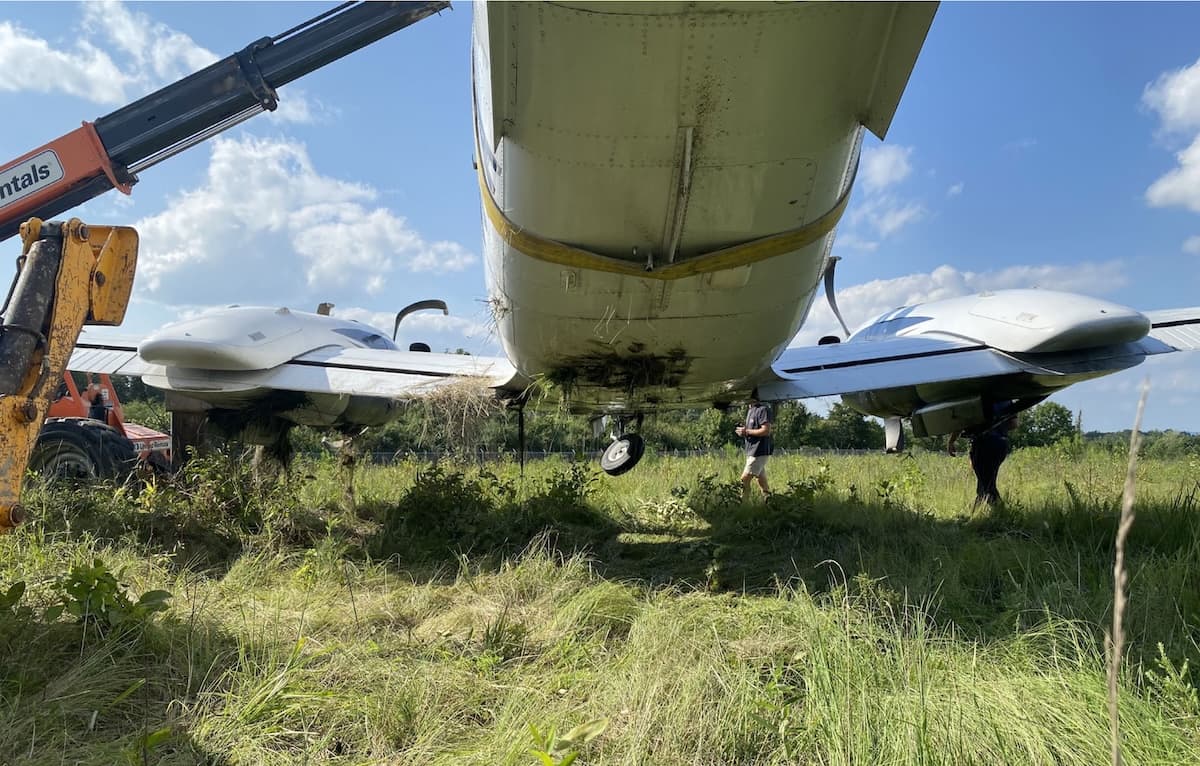
Probable Cause: The pilot’s failure to extend the landing gear before landing.
NTSB Accidents
Pilot’s Delayed Aborted Landing Causes Mooney Crash
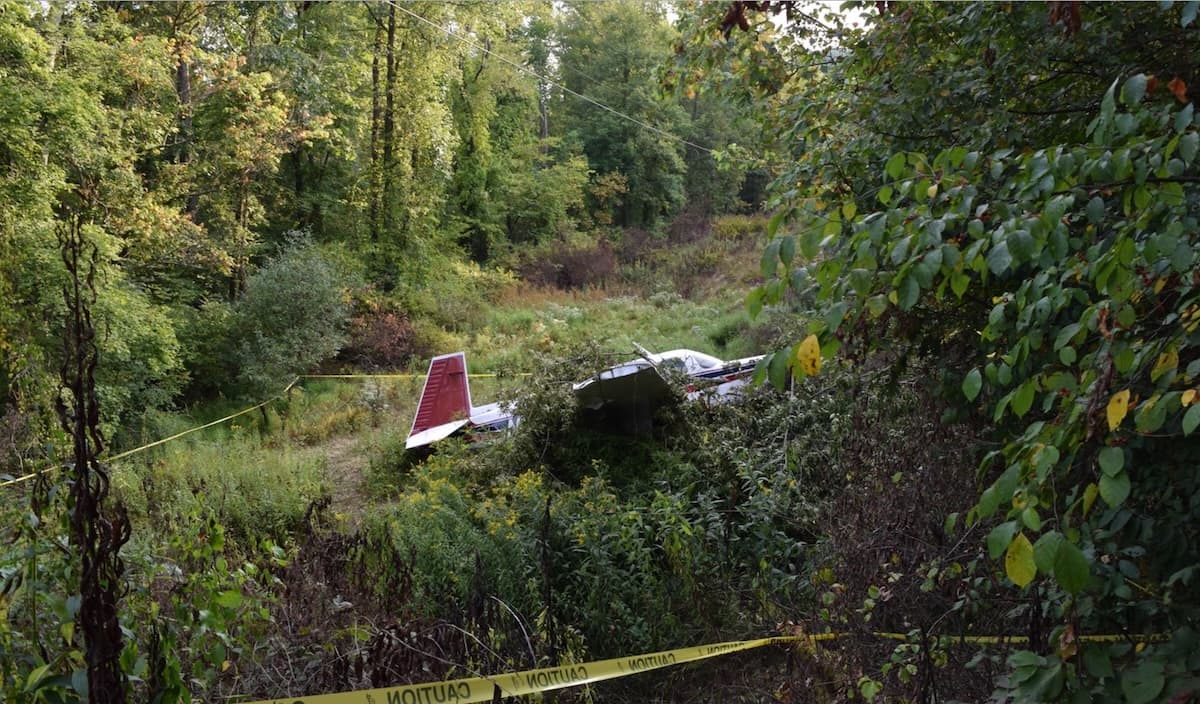
Probable Cause: The pilot’s failure to attain the proper touchdown point, and his delay in aborting the landing.
Mechanic’s Faulty Alternator Wiring Triggers Cirrus Engine Fire
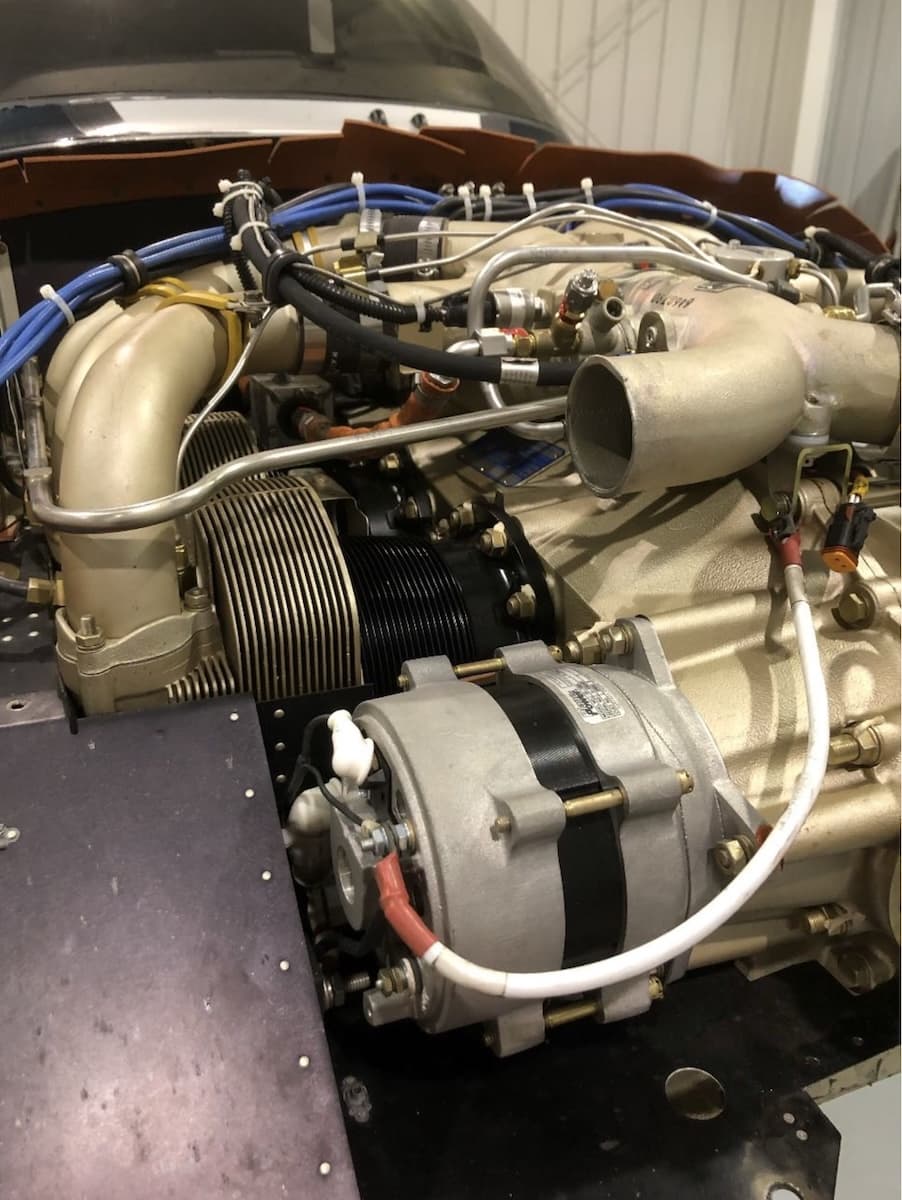
Probable Cause: The mechanic’s improper installation of the alternator wiring connections, which resulted in electrical arcing and thermal damage to the airplane.
Cessna 185 Crashes After Water Contaminates Fuel
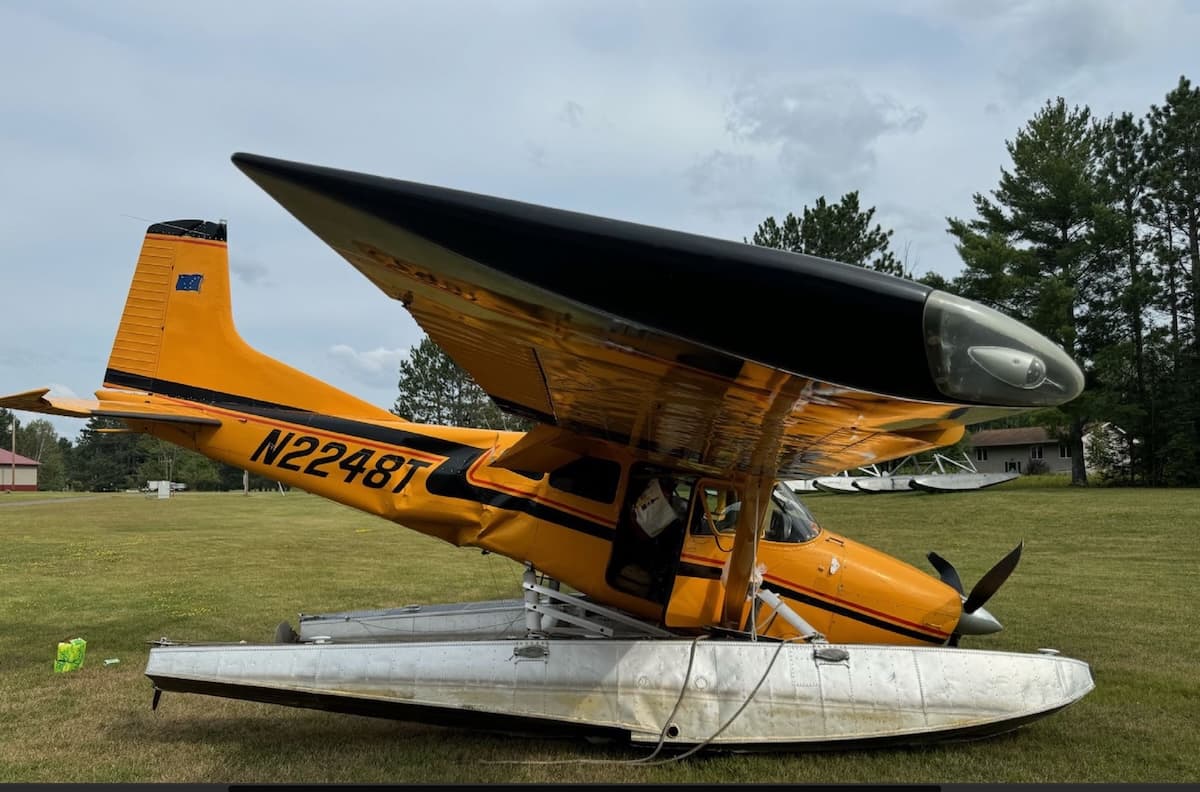
Probable Cause: Water contamination of the fuel system which resulted in a total loss of engine power. Contributing was the pilot’s inadequate preflight.
Loose Throttle Knob Causes Takeoff Accident
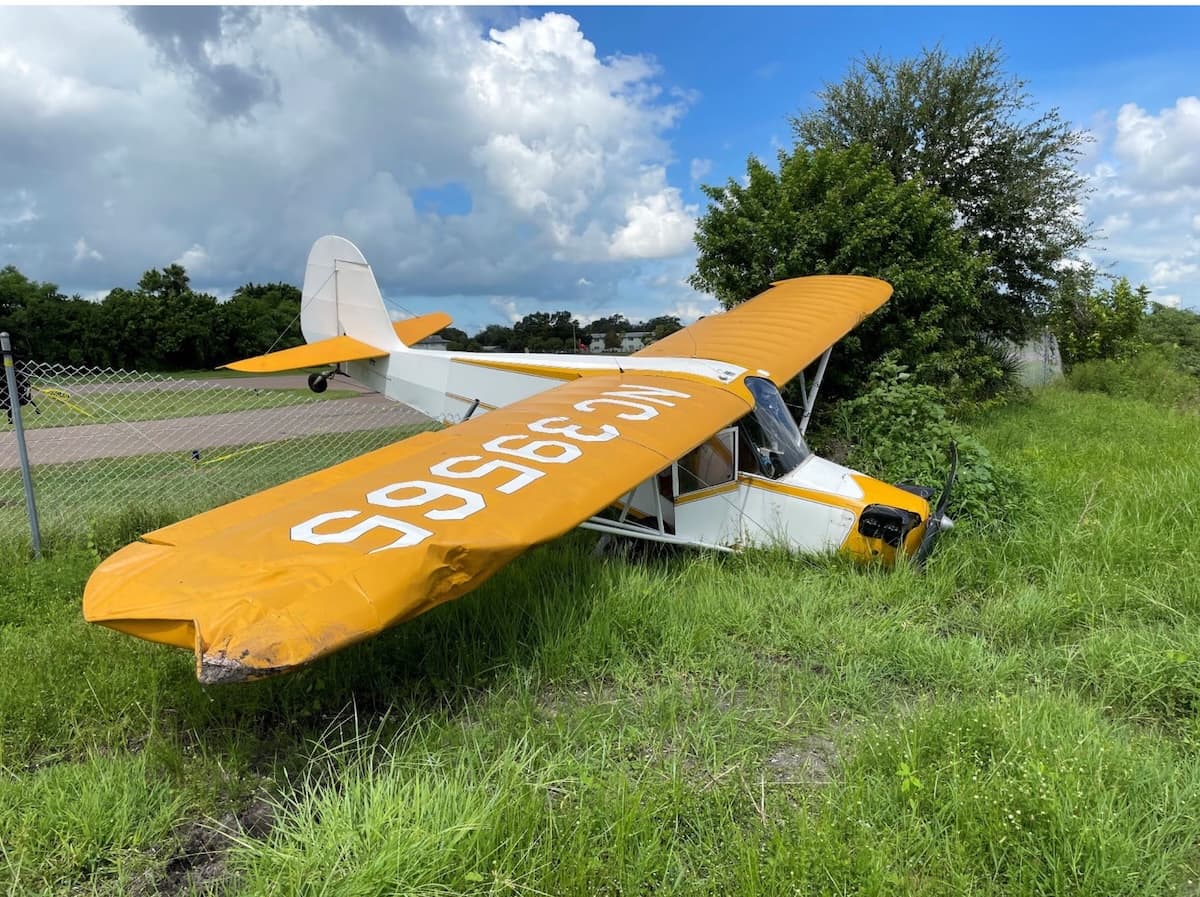
Probable Cause: The pilot’s failure to maintain directional control during the takeoff roll. Contributing to the outcome, was the pilot’s inability to control the engine following the loss of directional control due to the separation of a knob from the engine’s throttle control.
Carb Ice Brings Down Skydiving Plane
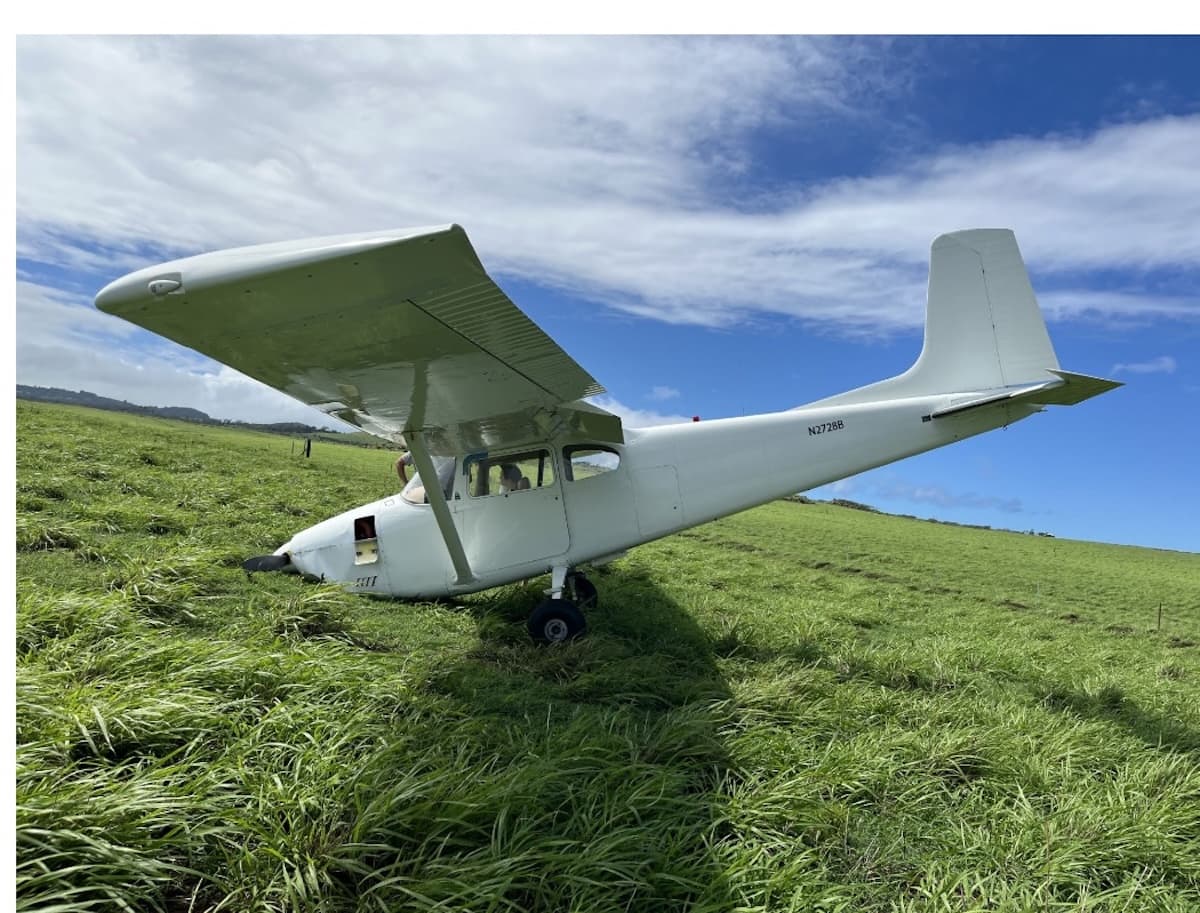
Probable Cause: The airplane’s loss of engine power due to carburetor ice that formed during a long descent, contributing to the outcome is the pilot’s delayed use of carburetor heat.
Loss of Control Leads to Ground Loop
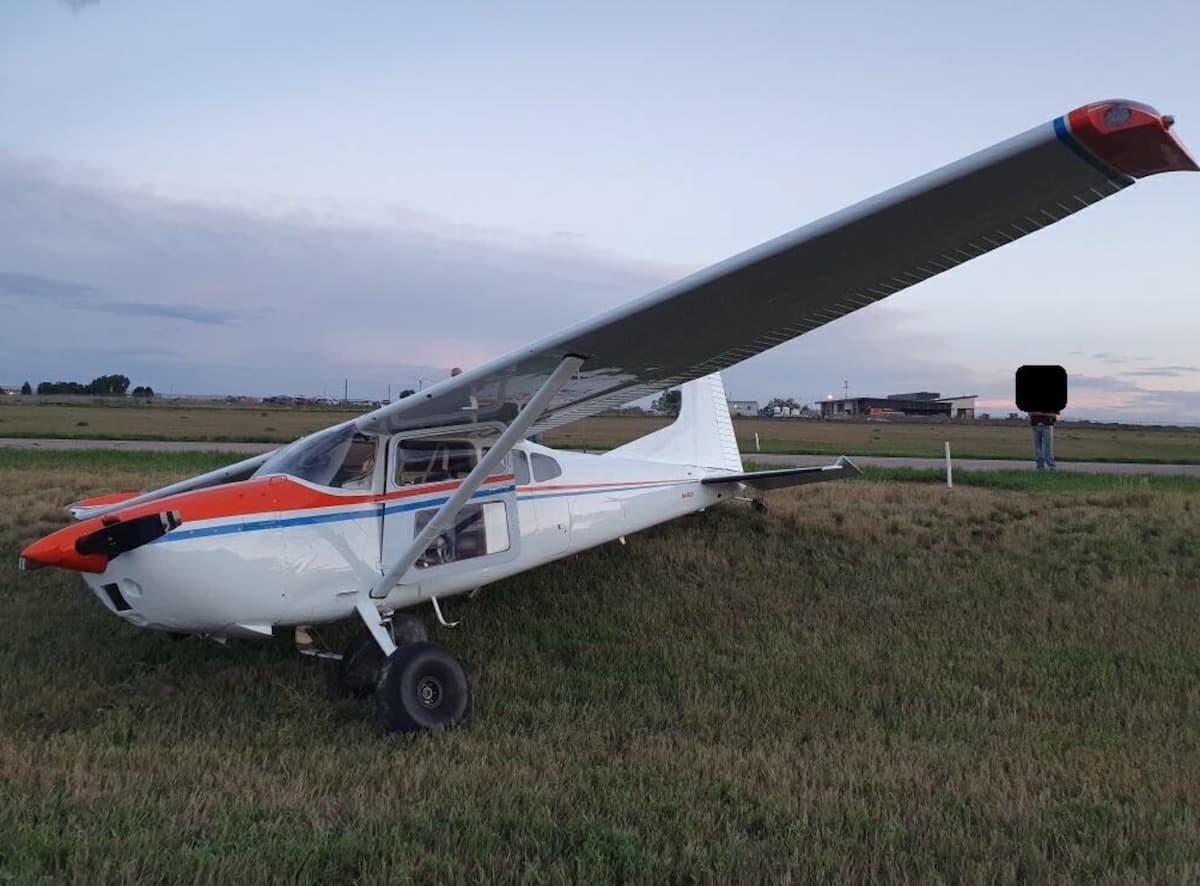
Probable Cause: The pilot’s failure to maintain directional control during the landing, that resulted in a ground loop and a runway excursion. Contributing to the accident was the flight instructor’s delayed remedial action.
Broken Bracket Leads to Loss of Engine Power
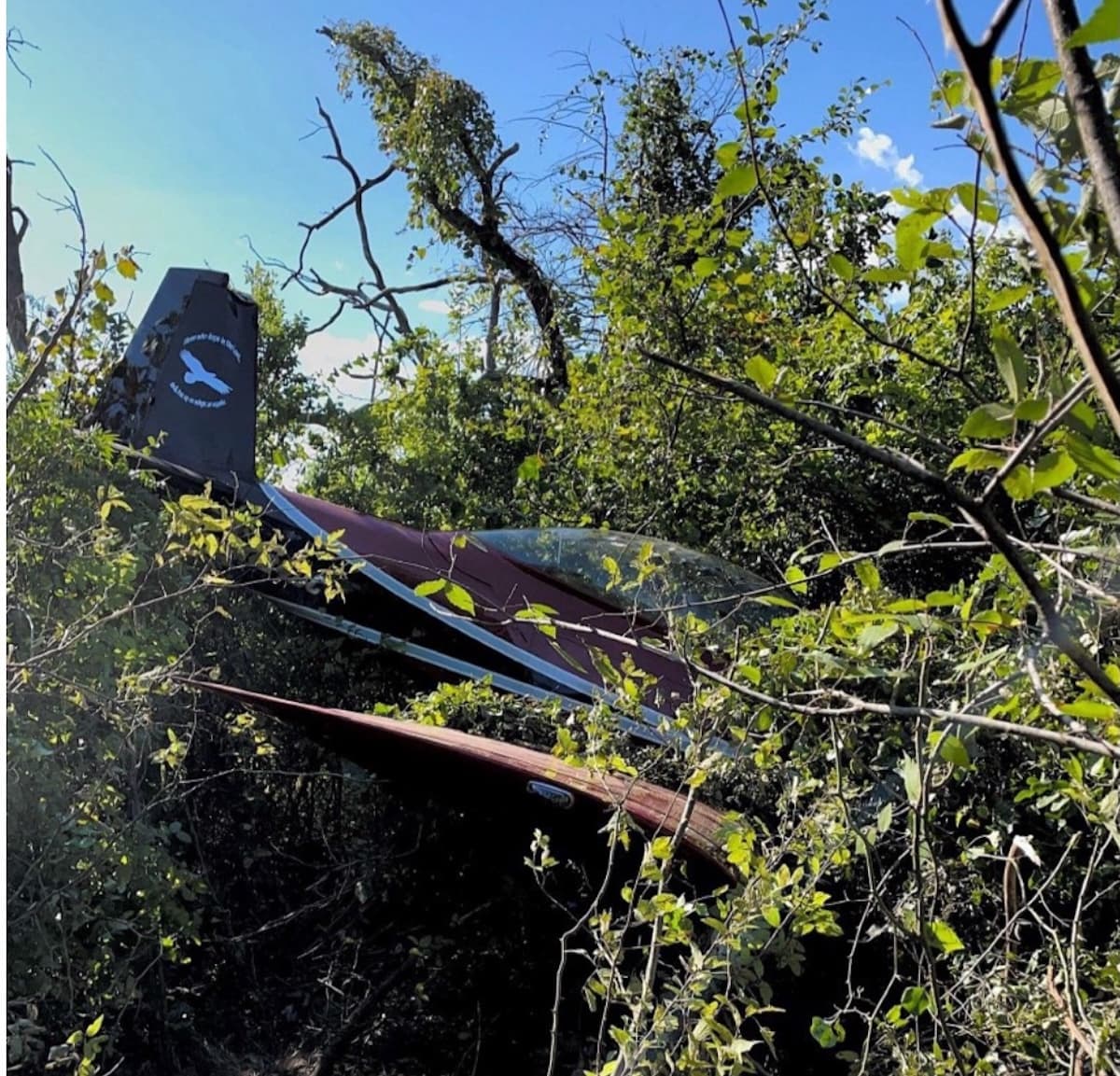
Probable Cause: A loss of engine power due to the separation and ingestion of an air filter retaining bracket into the engine cylinder.
Sliding Pilot Seat Leads to Accident
Probable Cause: The pilot’s failure to correctly reinstall the airplane’s left seat, resulting in the movement of the seat during the takeoff roll, and the subsequent loss of control and runway excursion.