

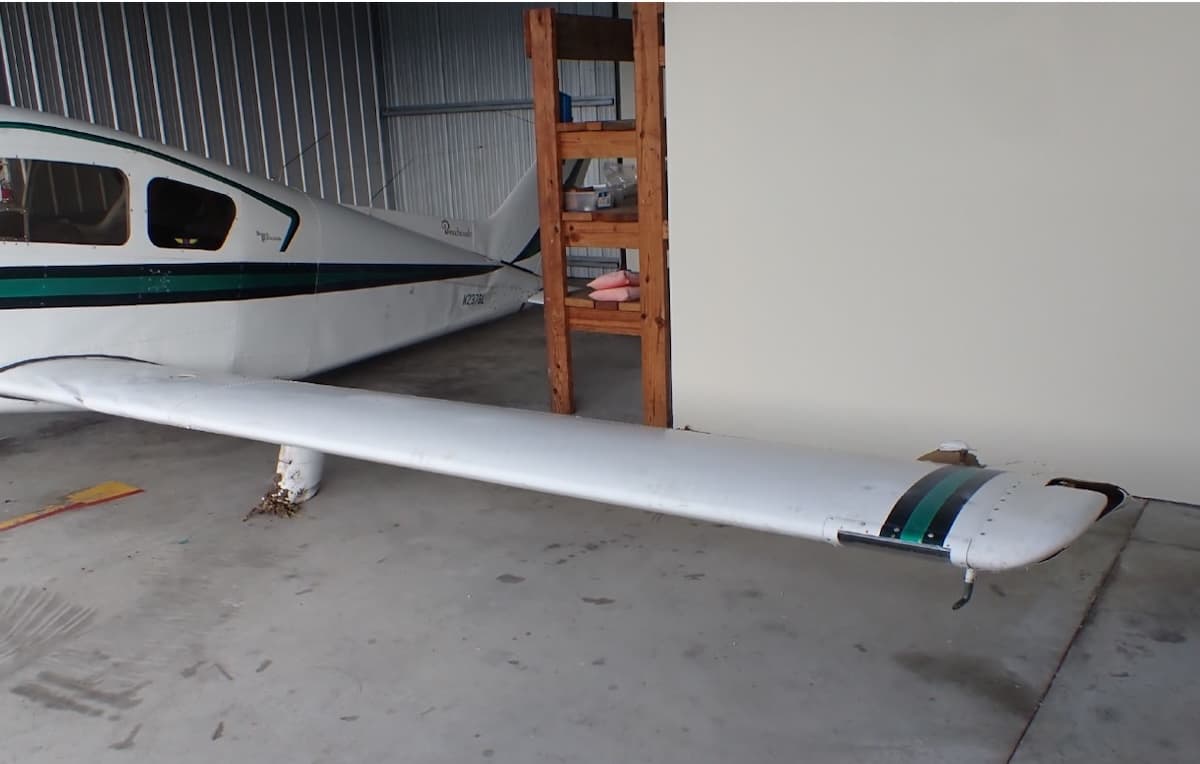
Probable Cause: The pilot’s improper inflight fuel management, which resulted in a total loss of engine power due to fuel starvation while on final approach to land, and the subsequent hard landing, which resulted in separation of the airplane’s landing gear.
NTSB Accidents
Improper Stabilator Trim Maintenance Causes Piper Seneca Accident
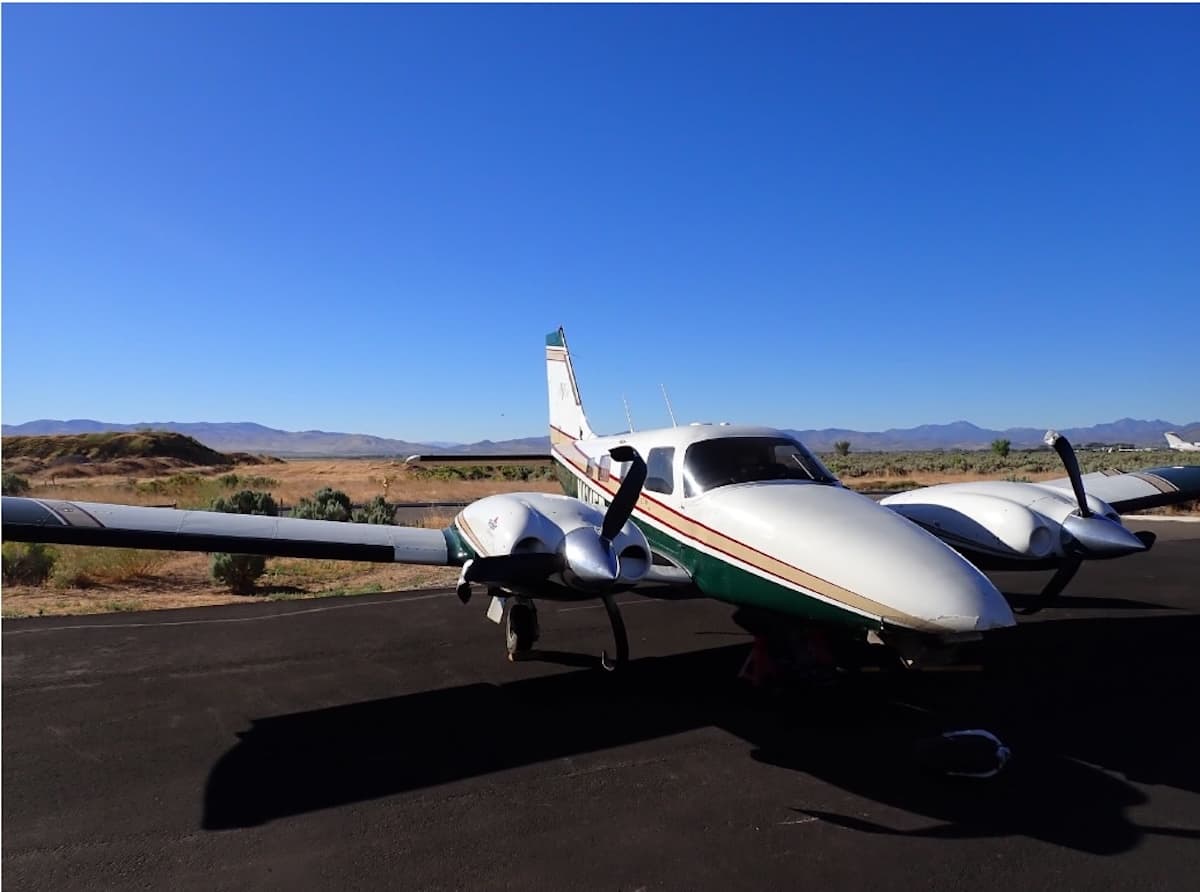
Probable Cause: The pilot’s improper preflight inspection of the stabilator trim position, which resulted in a porpoised landing. Contributing to the accident was the maintenance personnel’s improper maintenance of the stabilator trim shaft.
Aviat Pilot Loses Control On Takeoff
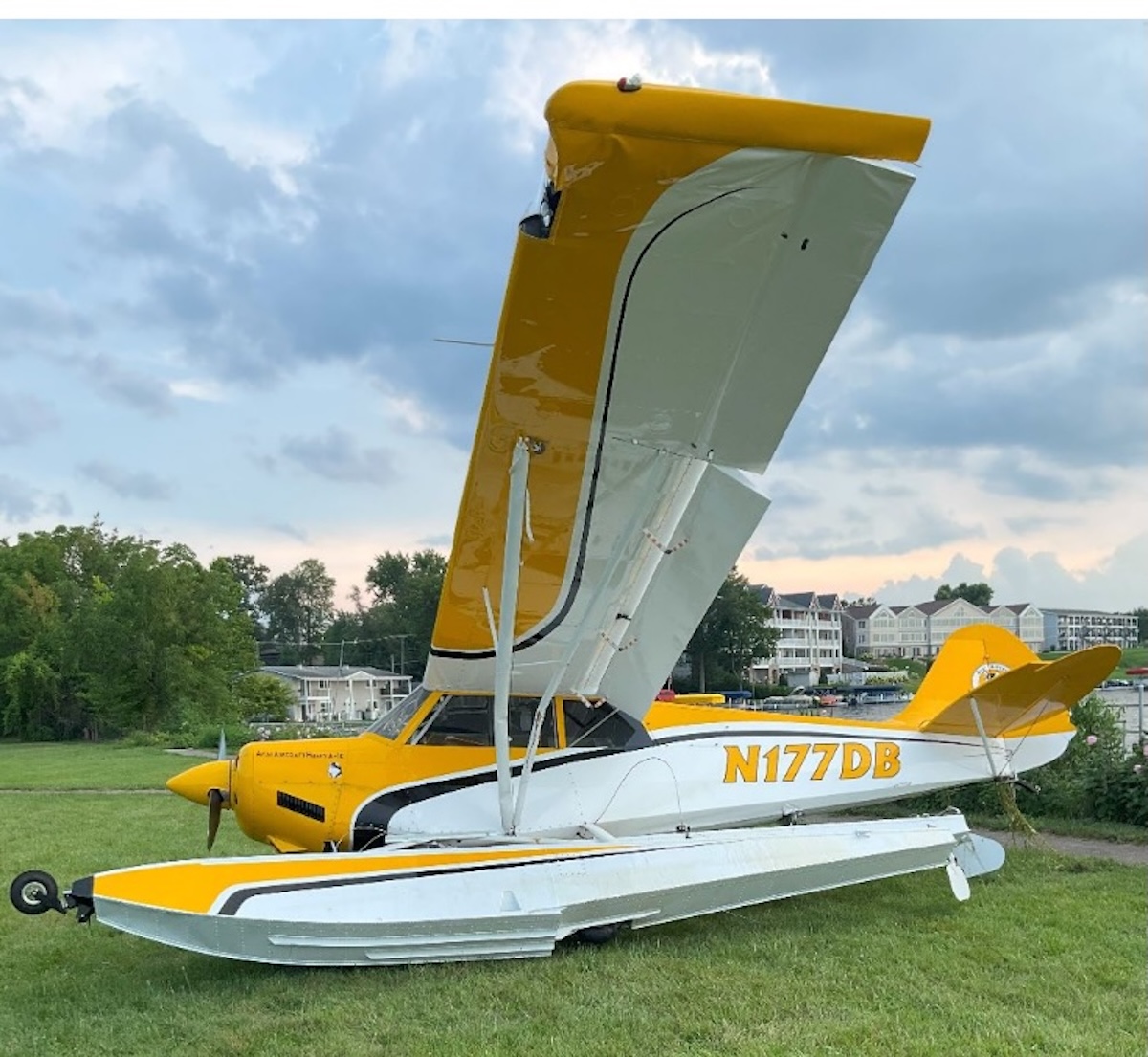
Probable Cause: The pilot’s failure to maintain airplane control during takeoff.
Dust and Wind Bad Combination for Cessna 182 Pilot
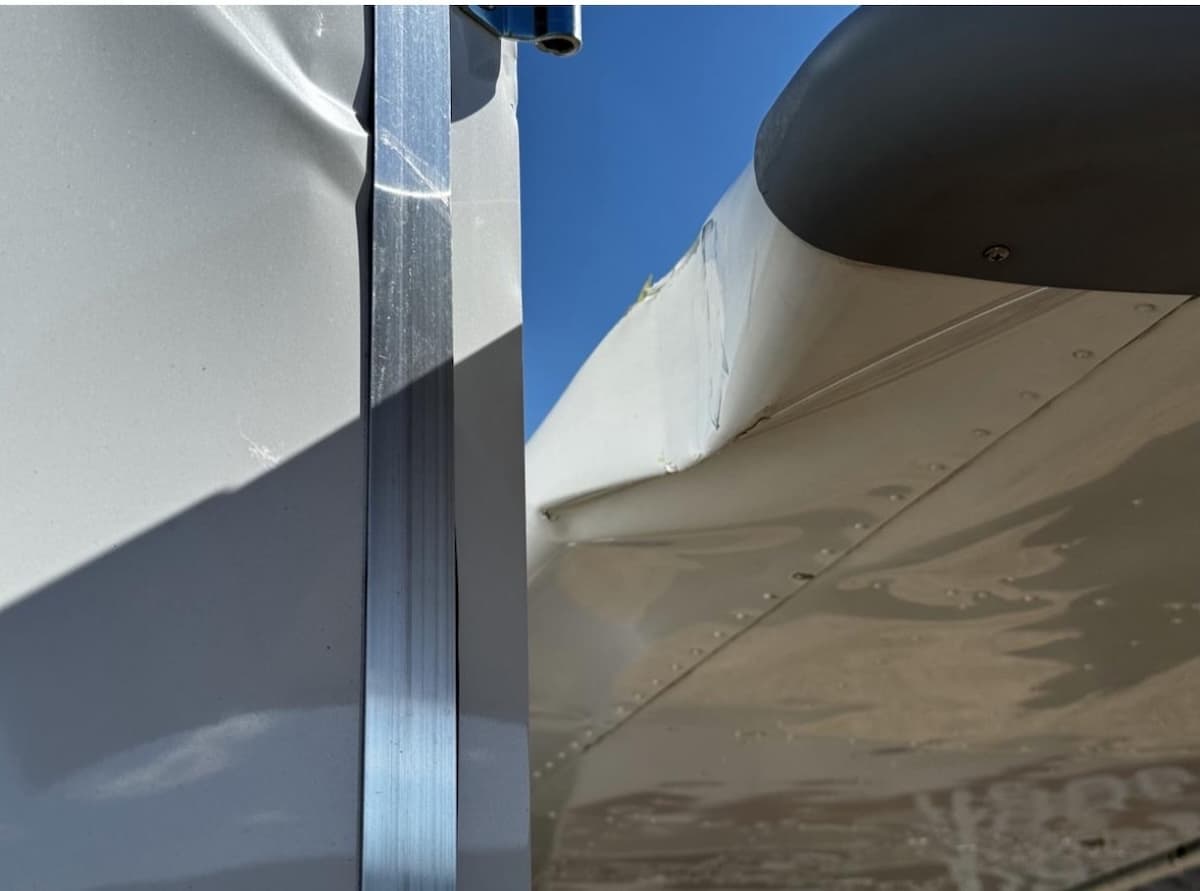
Probable Cause: The pilot’s loss of directional control in reduced visibility conditions due to a wind gust, which resulted in a collision with a trailer.
Missing Fuel Cap Leads To Fuel Exhaustion
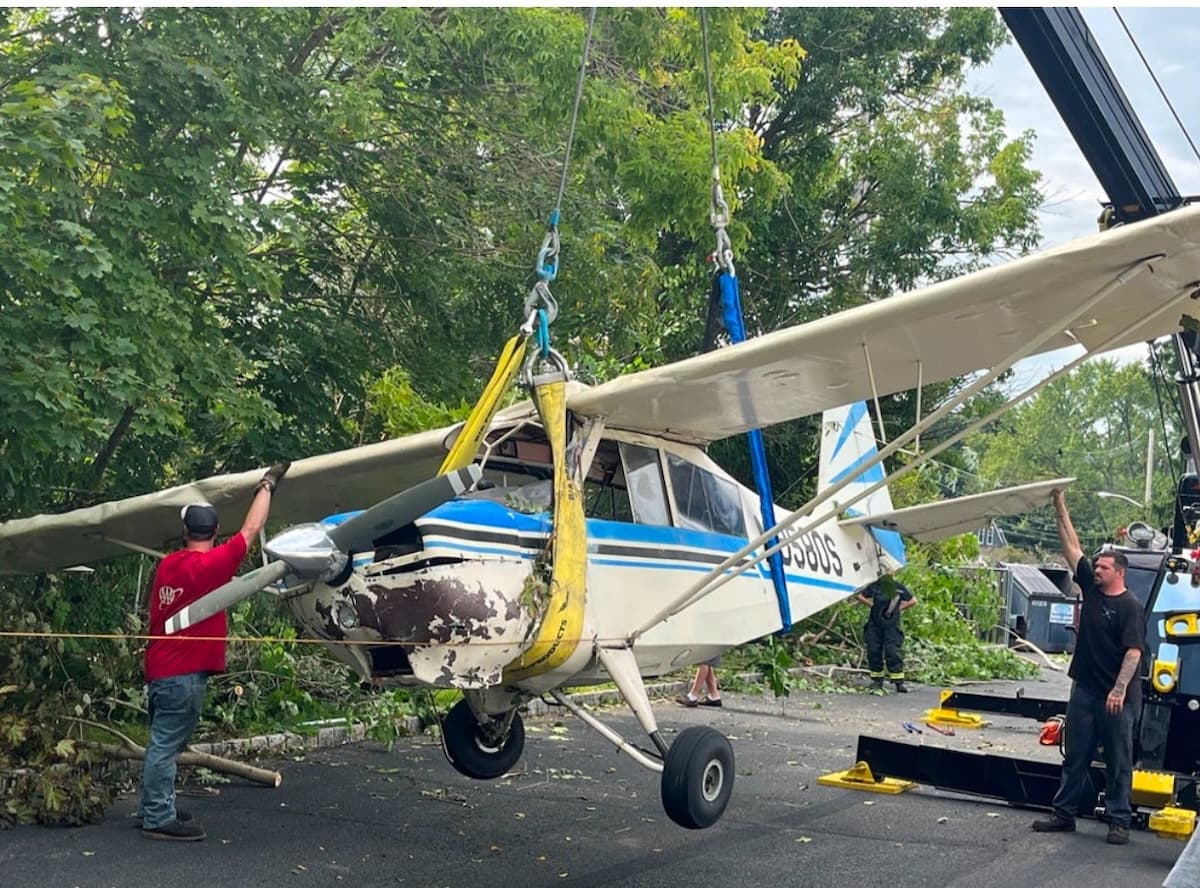
Probable Cause: The pilot’s failure to properly secure the left wing fuel cap, which resulted in a total loss of engine power due to fuel exhaustion.
Mid-Air Collision Fatal For Ag Pilot
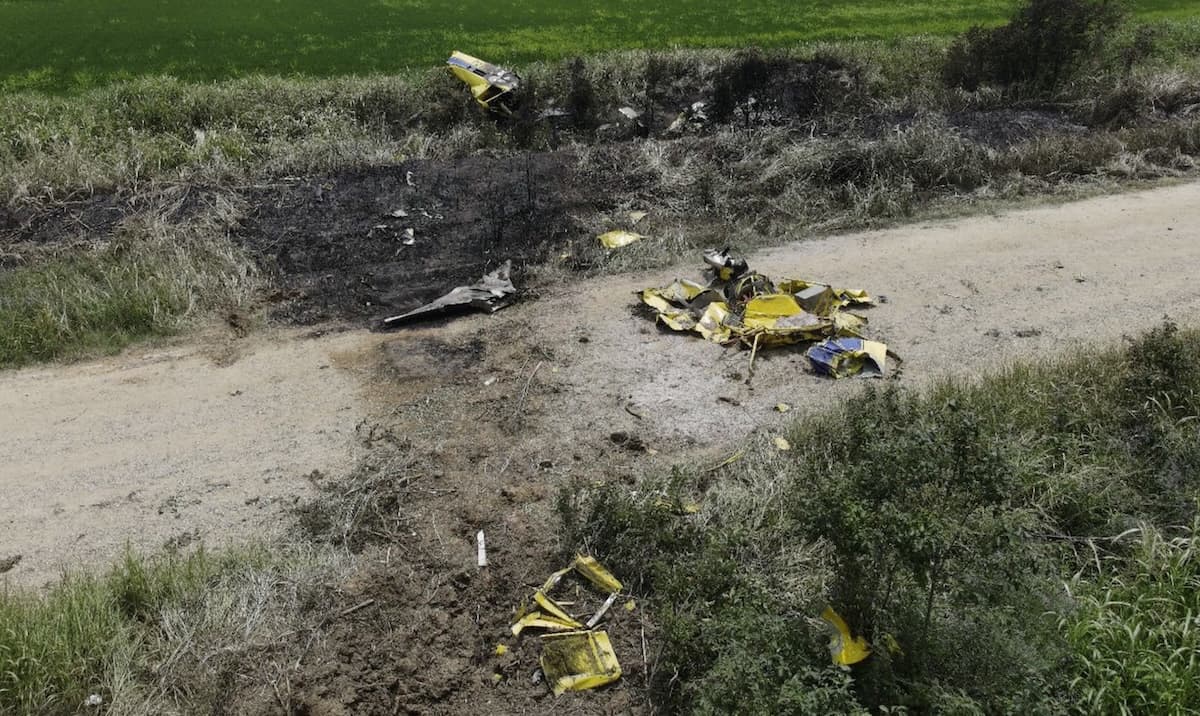
Probable Cause: The failure of both pilots to see and avoid the other airplane while at low altitude enroute to their aerial application flights.
Glasair Destroyed After Bird Strike
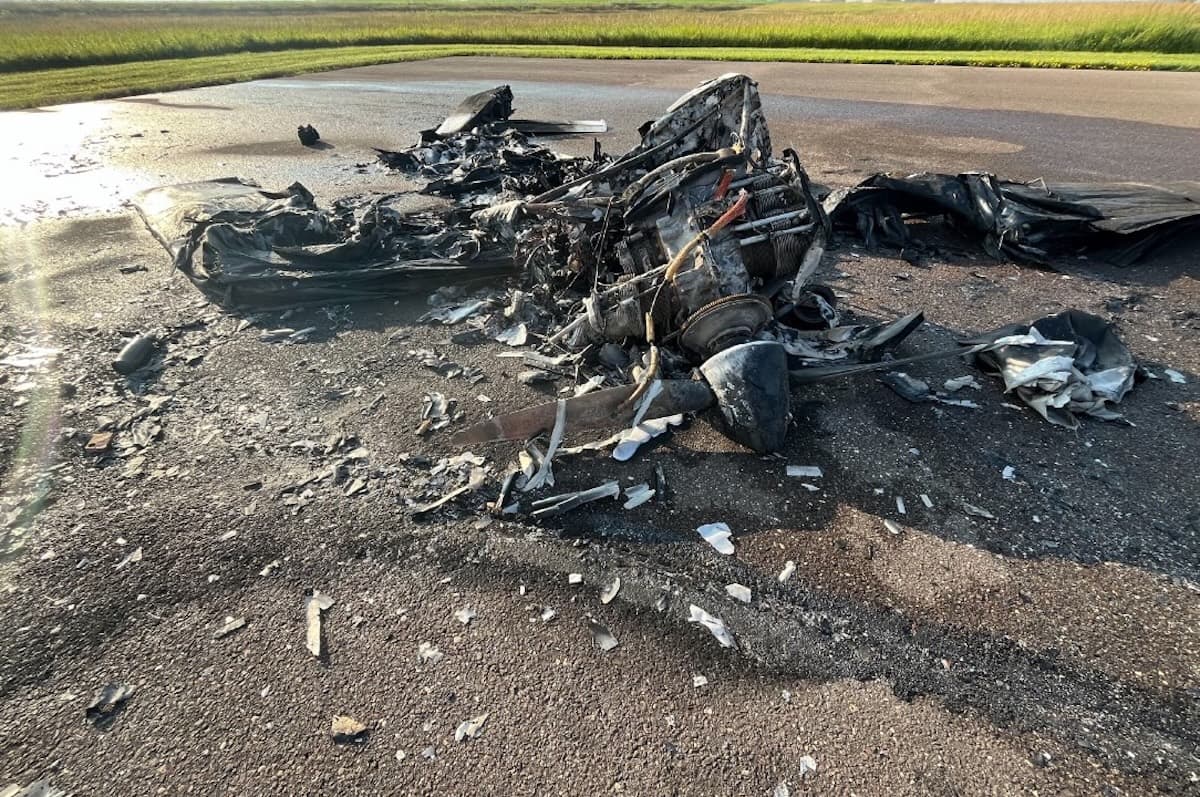
Probable Cause: An in-flight bird strike which resulted in an engine compartment fire that ultimately destroyed the airplane.
Maintenance Error Leads To Cessna 150 Engine Failure
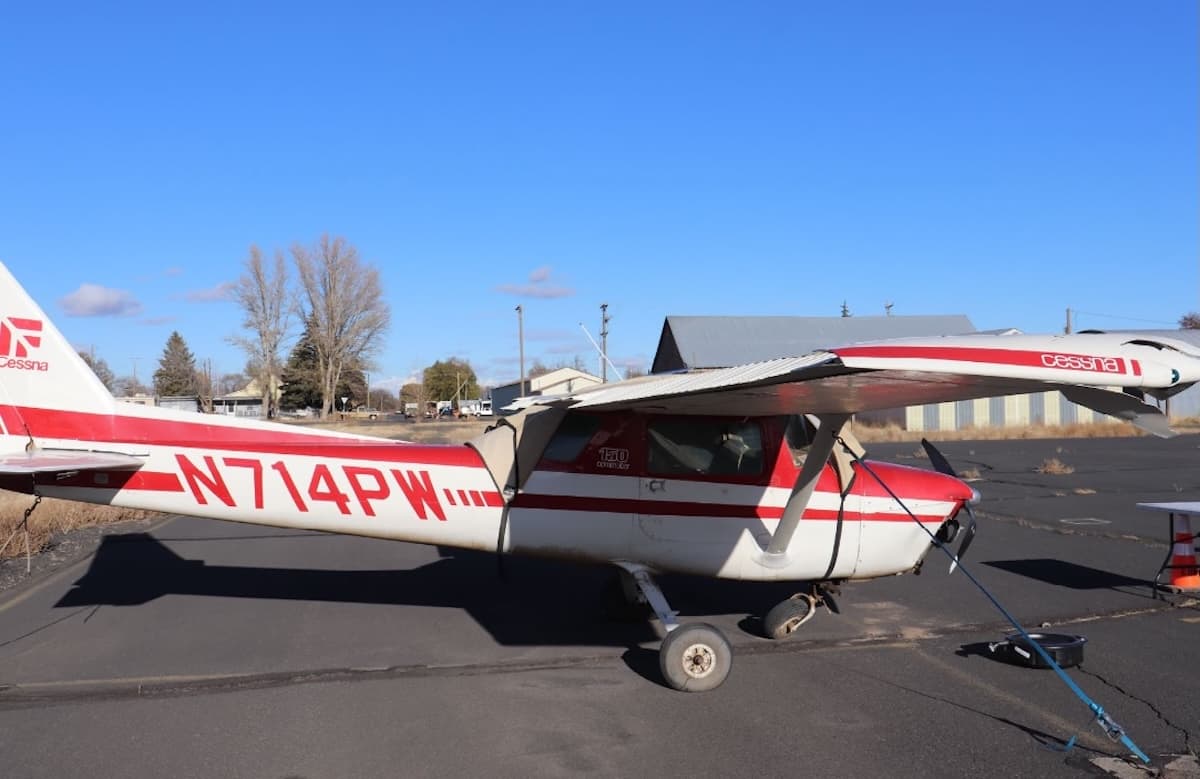
Probable Cause: Maintenance personnel’s improper installation of the No. 2 cylinder exhaust valve, which allowed the valve to drop into the cylinder and resulted in a total loss of engine power.
Pilot Crashes His New Plane on First Familiarization Flight
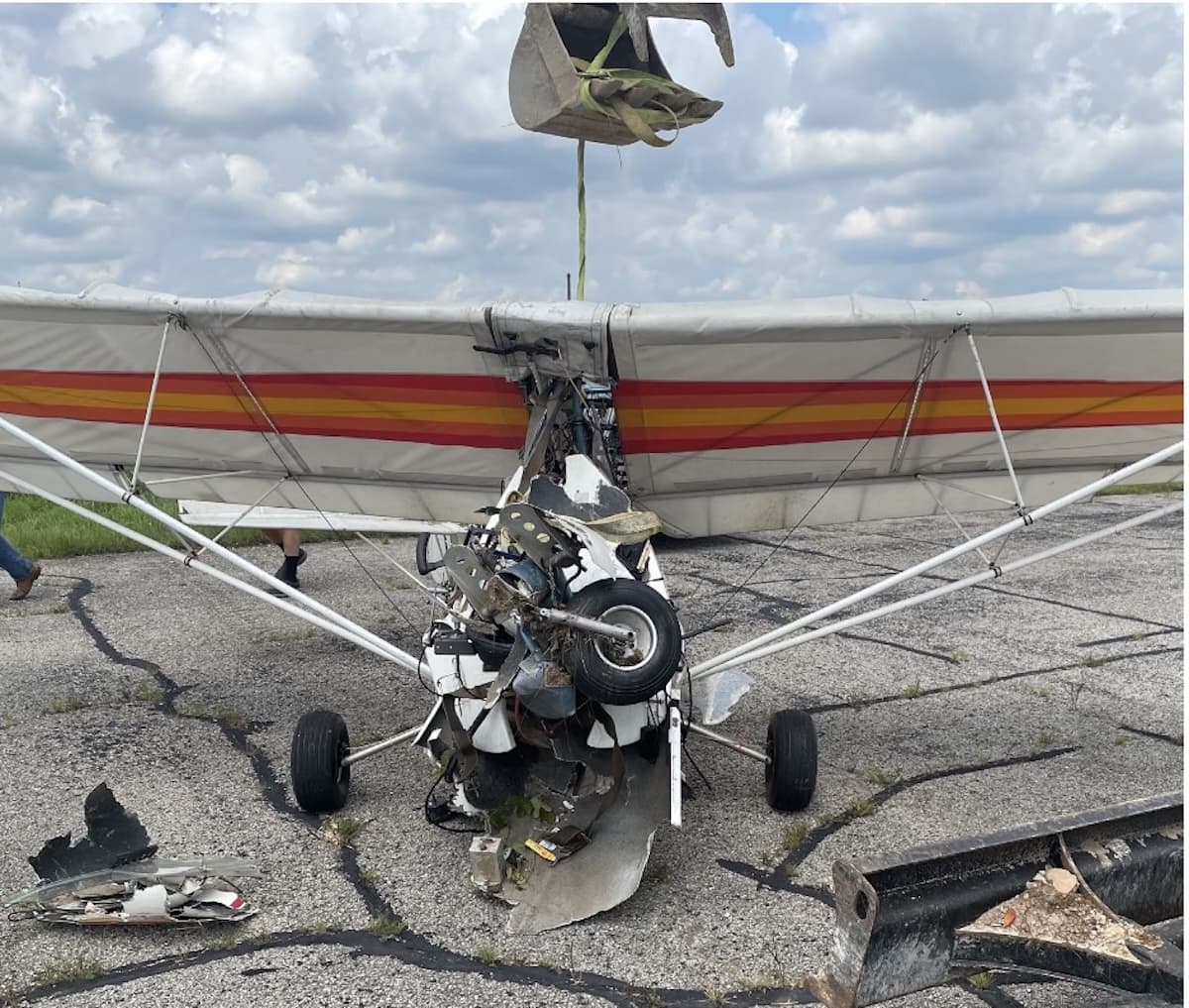
Probable Cause: The pilot’s failure to maintain control after takeoff, which resulted in an aerodynamic stall.