

Before the ferry flight, an A&P mechanic with inspection authorization installed the engine onto the Cirrus SR22T. The engine installation also included the installation of alternators 1 and 2.
The mechanic, who was not affiliated with a certificated aircraft repair station or Cirrus Aircraft, performed an engine run-up, but there was no test flight before the accident flight.
The pilot flew the airplane from Tulsa Riverside Airport (KRVS) in Oklahoma to Tulsa International Airport (KTUS), where the airplane’s parachute was to be repacked.
After the approximately 10-minute flight, the pilot parked and shut down the airplane, and while he was still seated in the airplane, line personnel saw smoke coming from the engine compartment. The pilot looked up and saw light white smoke coming from around the propeller spinner.
As he exited the airplane, the intensity of the smoke increased and it changed to a darker color. He looked into the louvered vents under the engine compartment and saw electrical arcing and smoke, but did not see any fire.
He called the fire department and sprayed halon through the louvered vents. Line personnel sprayed a dry multipurpose extinguisher into the airplane’s engine oil access door. Two fire department trucks then arrived and extinguished the fire.
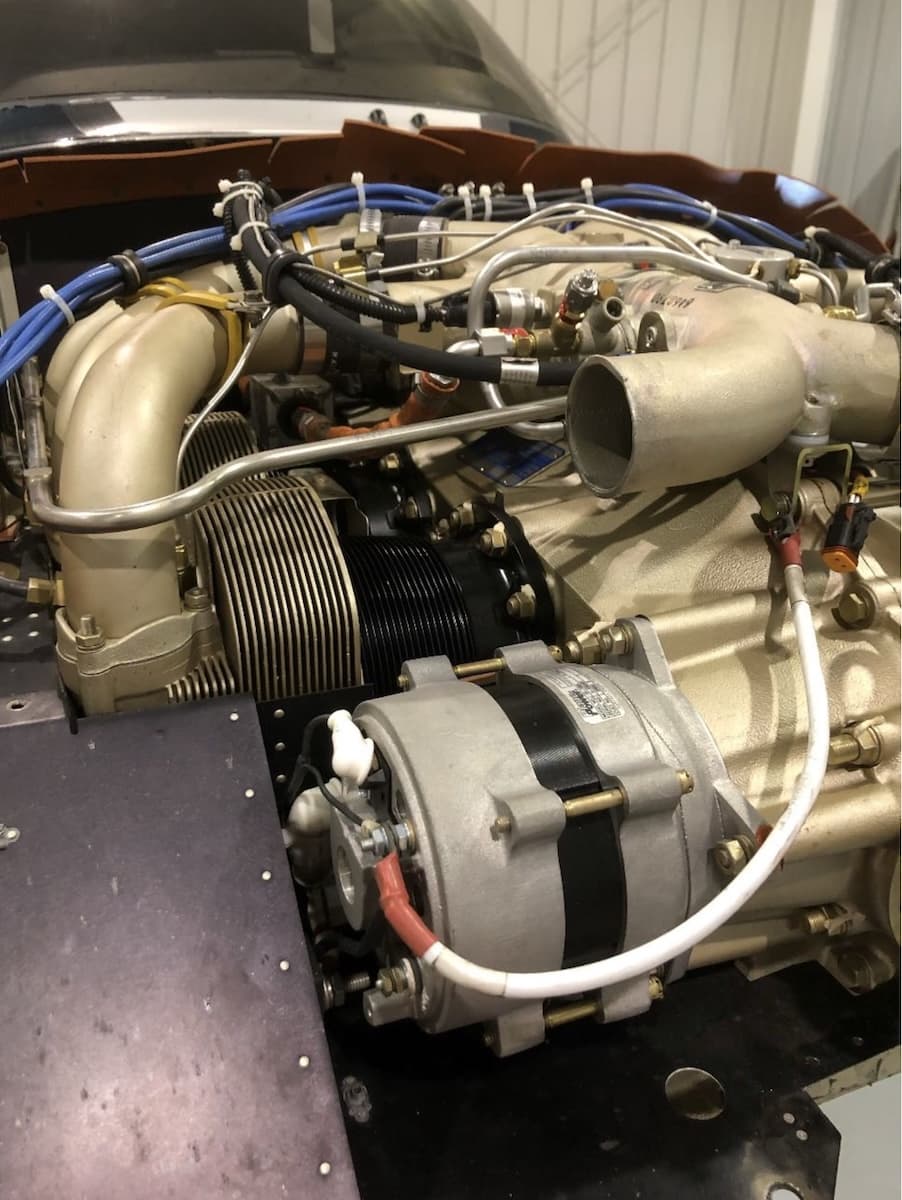
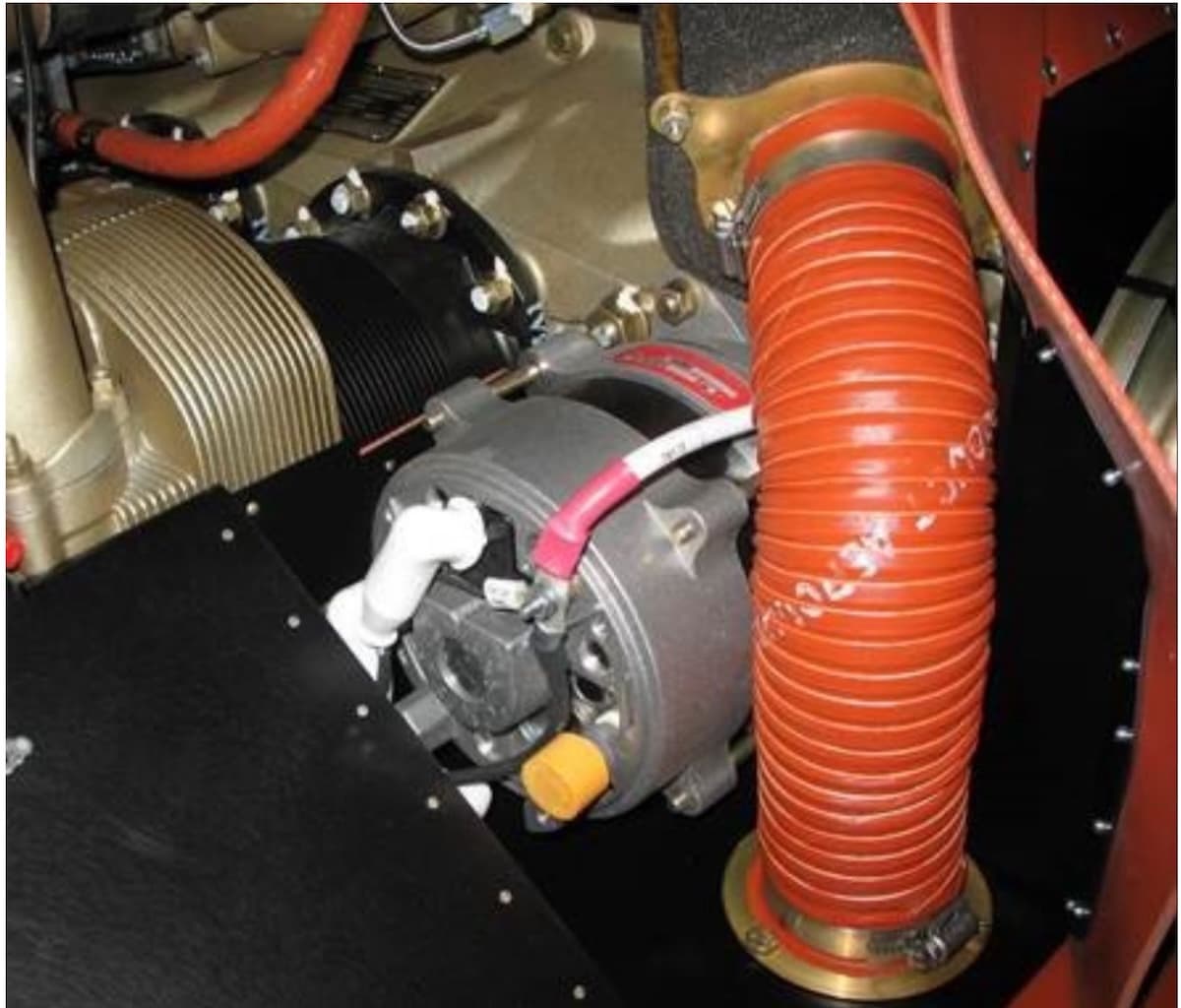
A post-incident examination of the airplane revealed that the external wire connections to alternator 1 were not in accordance with the Cirrus Airplane Maintenance Manual (AMM). Photograph 1 shows the airplane’s alternator 1 installation and Photograph 2 shows an exemplar installation of alternator 1 in accordance with the Cirrus AMM.
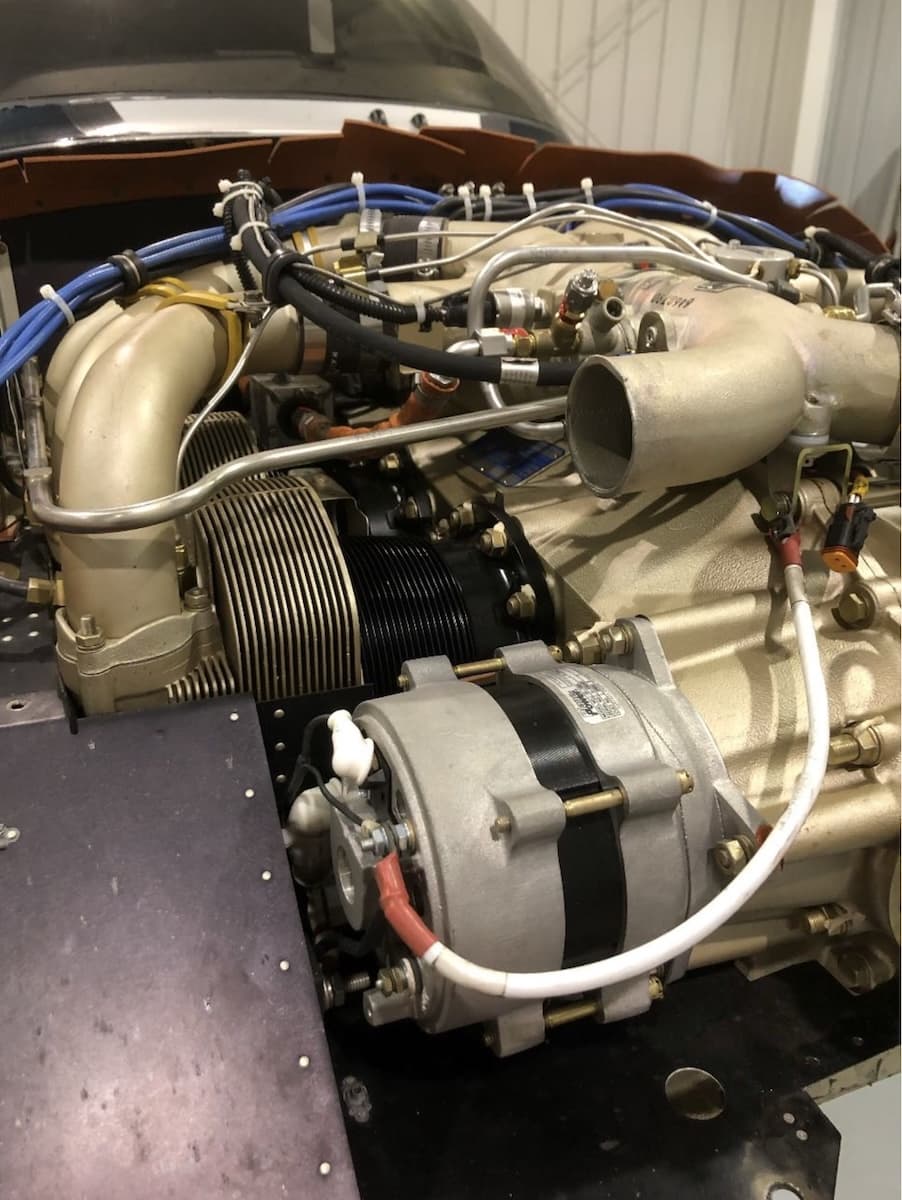
Photograph 3 was taken by the mechanic before the engine/alternator removal to use as reference to rewire alternator 1.
An airplane logbook entry by the mechanic, dated Aug. 10, 2023, at a Hobbs time of 1,122.4 hours, stated that a rebuilt engine and both alternators were installed. An airplane logbook entry by the mechanic, dated July 22, 2024, at a Hobbs time of 1,138.1 hours, stated the engine was removed due to a loss of oil pressure, a rebuilt engine was installed, and both alternators were installed.
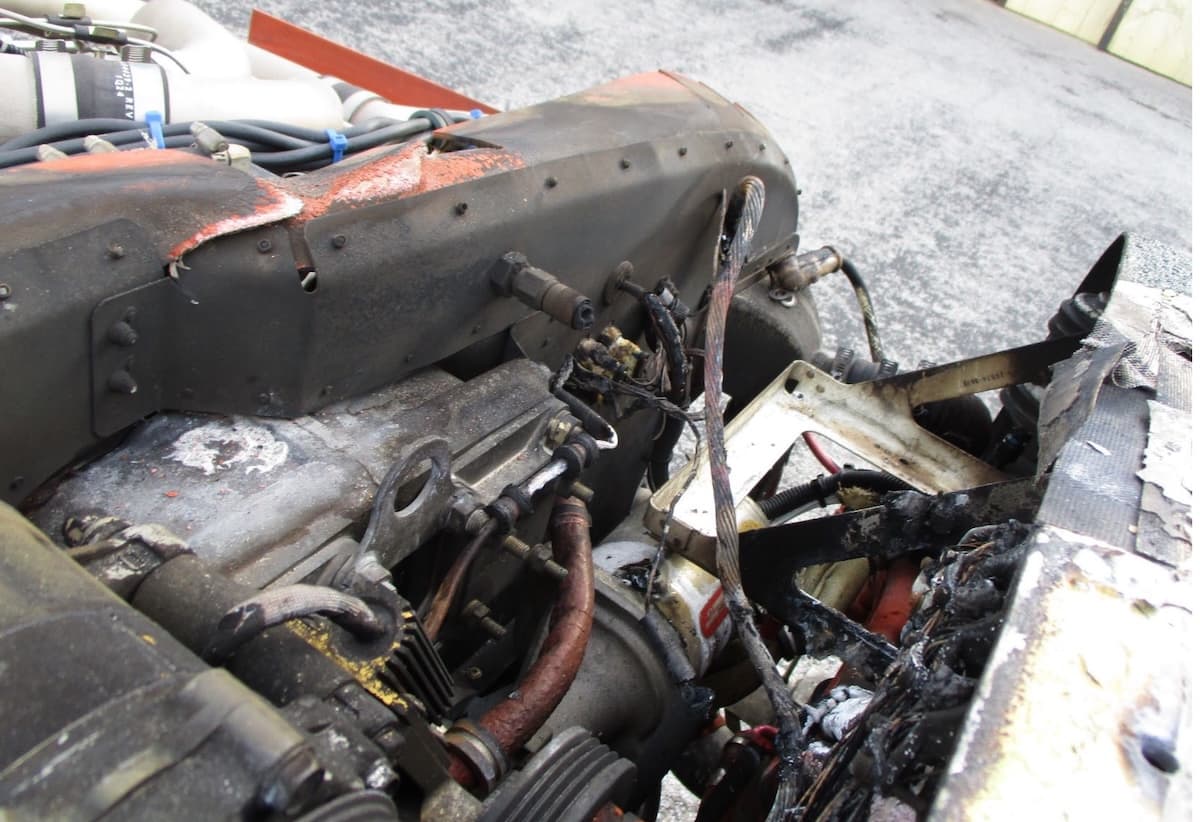
The airplane battery and associated wiring sustained thermal damage. The airplane’s composite firewall sustained substantial thermal damage.
Probable Cause: The mechanic’s improper installation of the alternator wiring connections, which resulted in electrical arcing and thermal damage to the airplane.
To download the final report. Click here. This will trigger a PDF download to your device.
This August 2024 accident report is provided by the National Transportation Safety Board. Published as an educational tool, it is intended to help pilots learn from the misfortunes of others.
Why is there never enough time to do the job right the first time, but plenty of time when it comes back for the same repair?
OK, so this mechanic didn’t reference the service manual, and didn’t follow good wiring practice.
The power wire was not routed per the manual, and did not have an insulating boot on the terminal. [ which would have prevented a short when the terminal fatigue failed ].
Also the wire should have a strain relief within 3-4 inches of the terminal to dampen the vibrations, which looks like fatigue fractured the terminal, and allowed it to ‘weld’ itself to the alternator body, shorting the battery to ground through the 100 amp fuse, which did not open.
The pilot either did not turn off both battery switch/ contactors, which would have disconnected the ground short…..OR, the contactors got ‘welded’ too and continued to discharge the battery until it ‘fried ‘ too.
Sad, so a $2 boot caused a huge repair cost.!!