

There are times when it is helpful to look backward to get a better view of what the future might hold.
Specifically, I’m thinking about a survey the Experimental Aircraft Association (EAA) did in the early 1990s to determine what the organization’s priorities might be. An overwhelming majority of respondents indicated a preference that still makes all the sense in the world today: Bring more young people into general aviation.
In response to that insight, the EAA launched the Young Eagles program in 1992. The goal was simple: Provide a first-hand experience with flight, at no cost to the kid or their family. The age range was set to include kids from 8 to 17. Considering the tens of thousands of volunteer pilots who have participated, providing flights to millions of young fledgling fliers, it’s fair to say the program has been a raging success. The program hit a milestone this summer: 2.5 million Young Eagles flights.
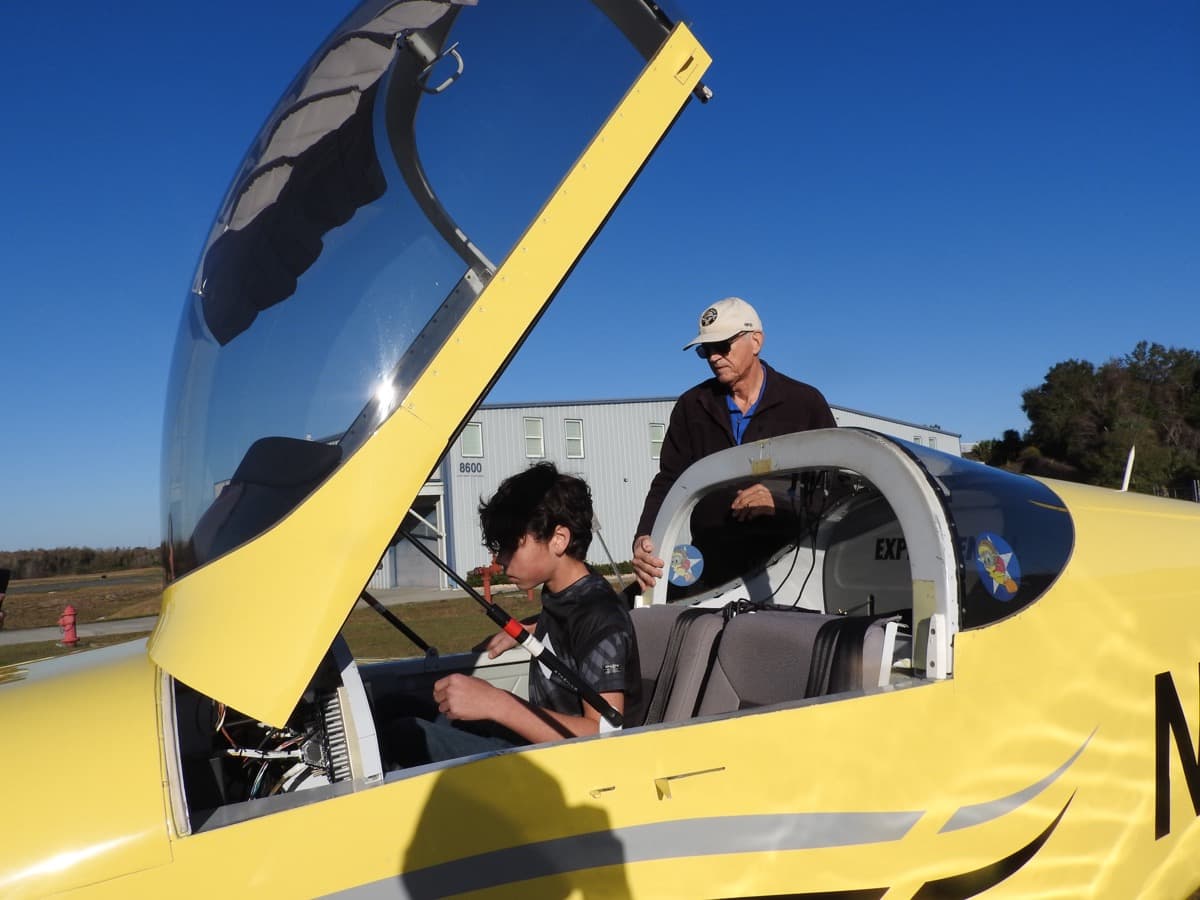
The Young Eagles program is alive and well at EAA chapters across the nation. With hundreds of chapters established and actively operating nationwide, the odds are good there is one near you.
In 2014 the Aircraft Owners and Pilots Association (AOPA) launched an ambitious program called You Can Fly. I was part of that initiative from the start. It, too, has been tremendously successful with the Rusty Pilot Seminars that have helped get many thousands of pilots current and flying again. The Flying Club aspect of the program has lowered the cost of accessing an aircraft to more affordable rates. They also provide a sorely needed social aspect to a day at the airport.
Perhaps less well known is the High School Aviation STEM Curriculum AOPA provides free of charge to schools across the country. And I mean the whole country. This four-year course of study is being used in all 50 states by public and private schools, as well as homeschool groups. At last count, the program was in use at 1,500 schools. It’s focus is to familiarize teenagers with various aspects of aviation.
The classroom is great. But it only makes sense to provide something outside the classroom to students who have a real desire to get involved in a hands-on manner. So, AOPA has provided support for that as well. My role for the past several years has been to specifically reach out and assist people who wish to establish a High School Aero Club in their local community.
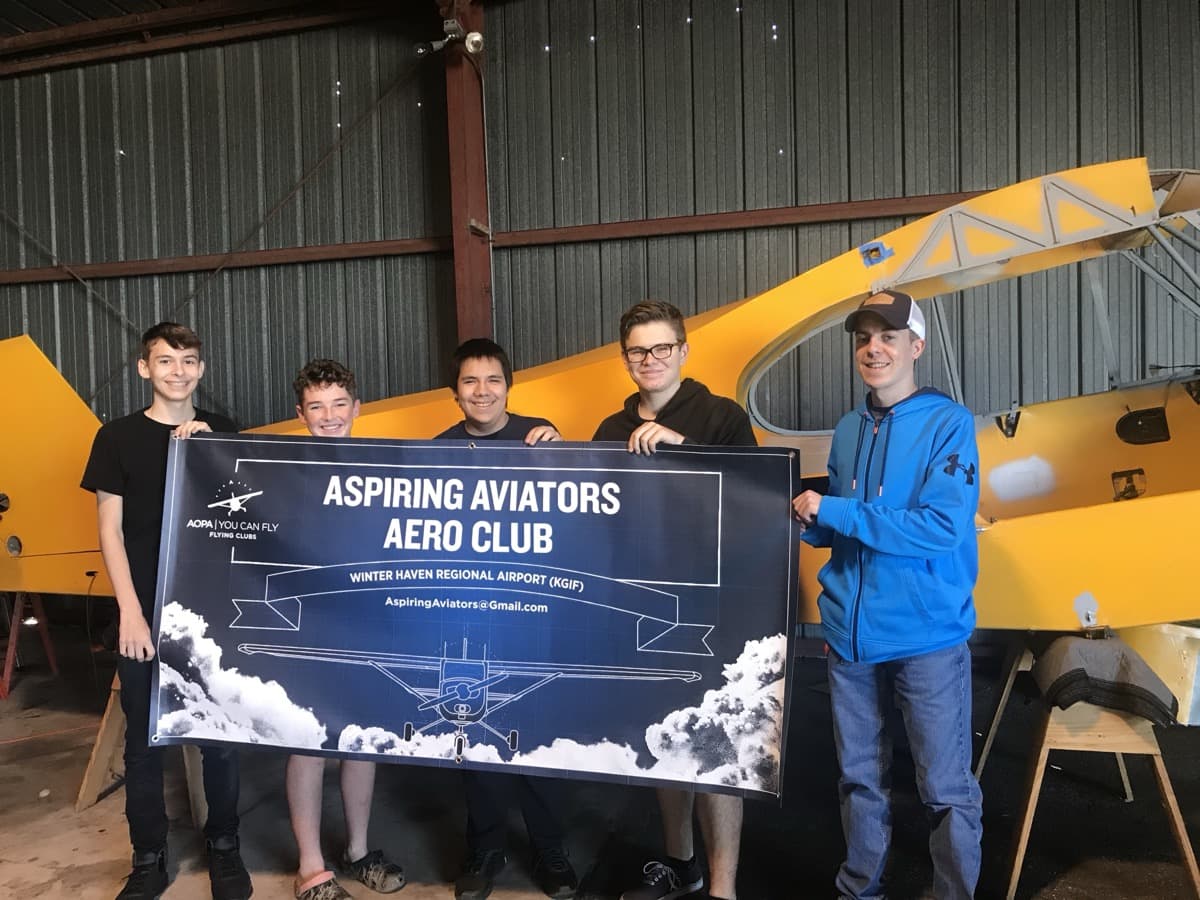
Each club is unique. Some focus on maintenance. Others choose to get into restoration or kit building. A focus on drones is also an attractive option. At some point, however, it’s not at all unusual for a high school aero club to decide it would like to own an airplane or two of its own. To fly. To maintain. To provide a level of experience to the membership that goes well beyond what can be accomplished in the classroom.
For those of us who plan for the long term, here are a few numbers worth knowing. The average age of a pilot in the United States is 42. The average for an ATP is 50. The average A&P certificate holder is 54 years old, with nearly 40% of them over 60.
If there was ever an indicator that aviation needs fresh new faces, these numbers tell the tale. And thank goodness the EAA’s Young Eagles program has made an impressive impact on lowering that average age for pilots to a more reasonable number.
But we’re not out of the woods yet. Aviation only thrives if new participants not only want to get involved, but have a clear and accessible pathway to do so. There is work to be done.
Now, let me suggest a radical idea that just might accomplish the overall goal of bringing more young people into aviation, while plumping up the membership numbers of the two most important alphabet organizations in the game. Hold on to your hat. This isn’t just an extremist viewpoint. It’s also entirely logical.
What if EAA chapter members across the country made it a point to invite aviation STEM classes to visit their hangars on a regular basis? Simultaneously, what if AOPA Aviation STEM teachers located the EAA chapter near them and suggested a mutually beneficial relationship?
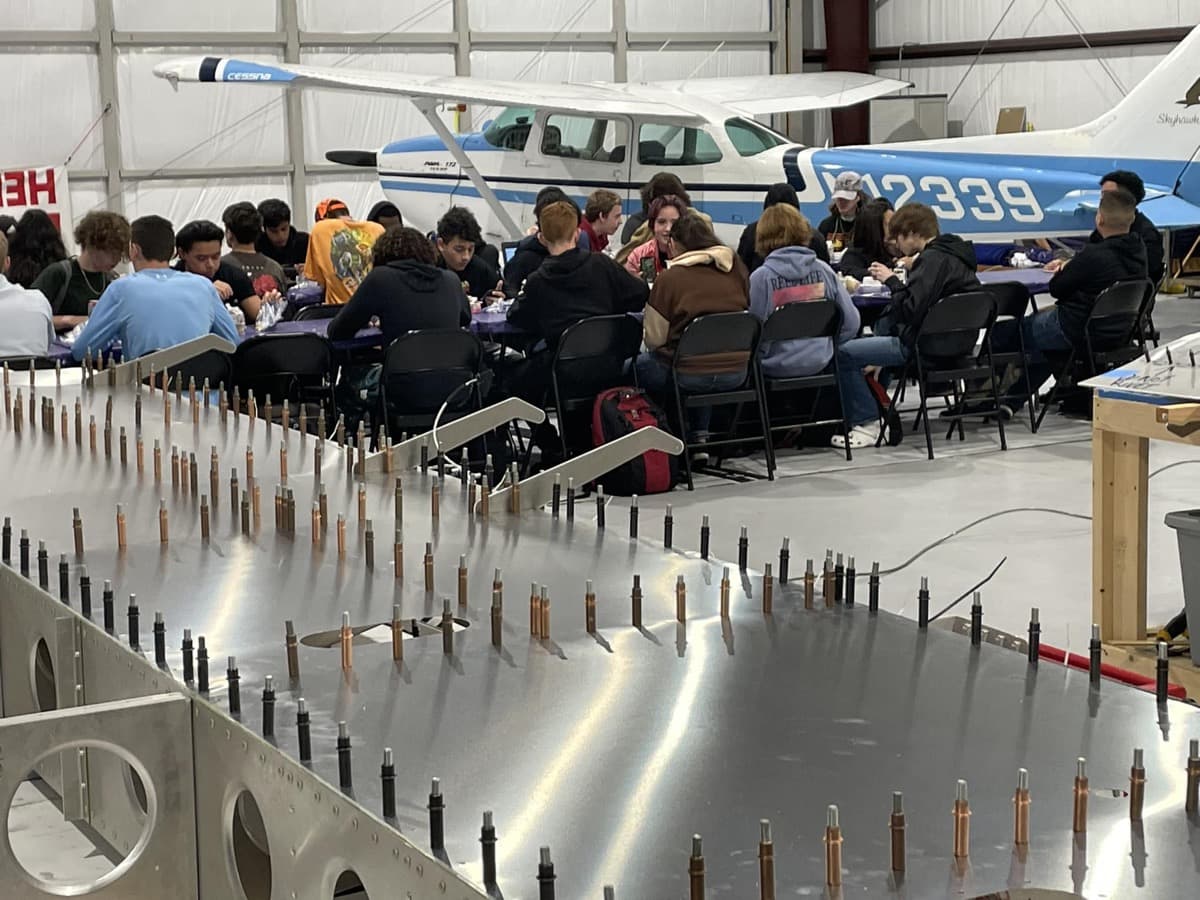
And here’s the best part: What if EAA Chapters found new members in the younger demographic who were just thrilled to have a place inside the airport fence to call home?
Wait a minute! Am I suggesting EAA chapters could partner with STEM kids to create new High School Aero Clubs to co-locate with the existing chapters? Yes, I am.
It’s possible. It’s practical. If individuals around the country were to simply make a phone call or drive to the local high school or airport to introduce themselves and say “I can help,” general aviation could see a surge in participation unlike anything we’ve experienced since World War II — but this time without the ordnance.
I have hope. But I also recognize the average human’s reluctance to get outside their comfort zone. That’s a problem.
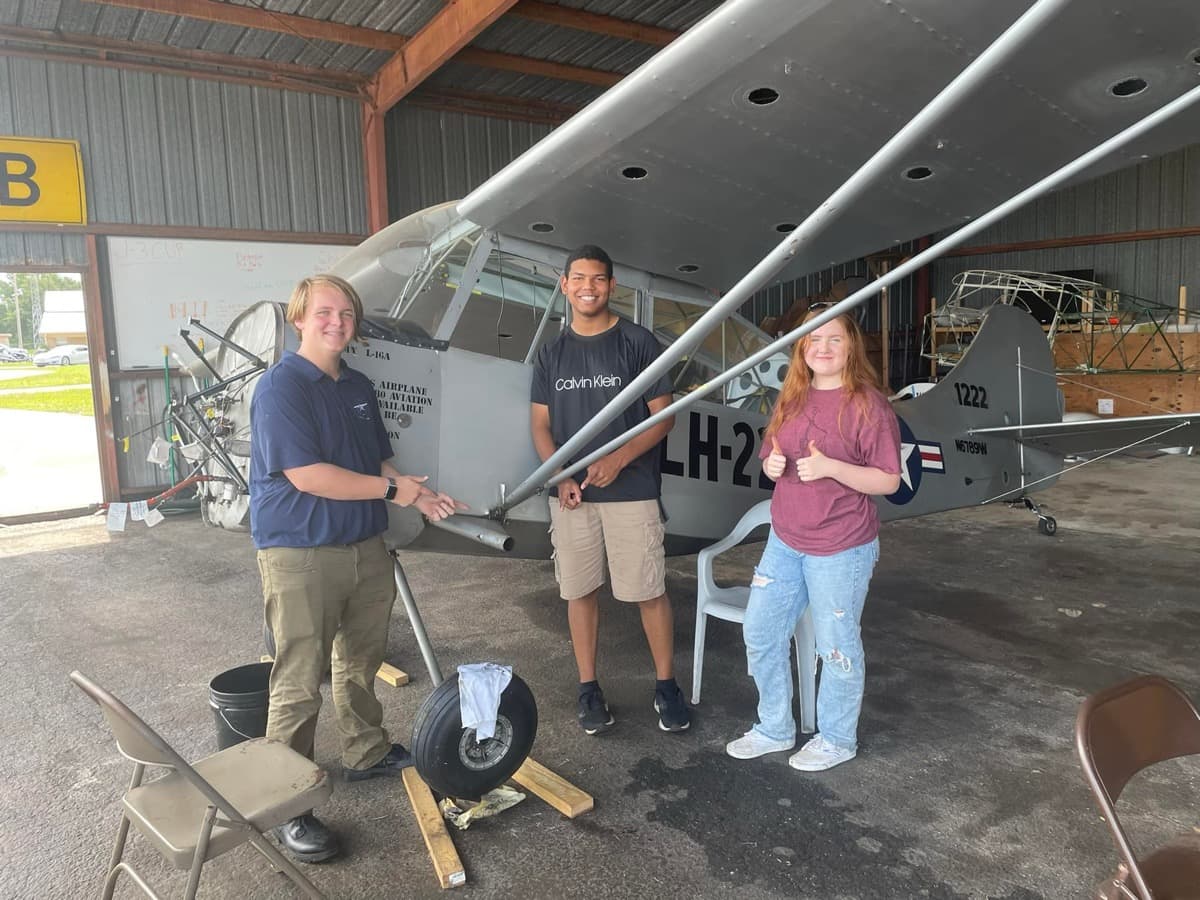
I know of at least one airport where a successful high school aero club operates out of a hangar located next to an EAA chapter hangar. The EAA members have openly expressed a desire to attract new, younger members. They have the tools and experience to help guide these high schoolers in so many ways. And the high schoolers are restoring classic aircraft while also building a kit airplane.
To date the EAA members have not made it next door to offer a hand or extend an invitation. The kids are kids. They are not inclined to roam the field looking for open doors to walk through without an invitation.
The future of aviation and the viability of our airports are in our hands. The EAA and AOPA have set the table. The participants are ready and waiting for an invitation to collaborate in a meaningful way. It’s time for somebody, somewhere to fill out an invitation and put it in the mail.
Consider this column an attempt to do just that. Whether you’re a 70-year-old EAA member, a 32-year-old STEM teacher, or a 16-year-old flight student, the ball is in your court. Personally, I’d recommend taking a swing before it blows by and the opportunity is lost.

Leave a Reply