

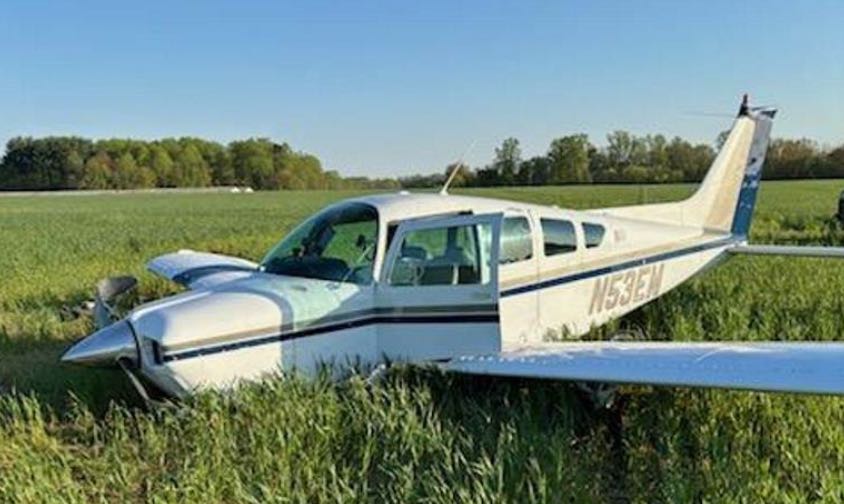
Probable Cause: The pilot/owner’s failure to ensure adequate maintenance of the airplane, which resulted in a partial loss of engine power during takeoff.
NTSB
Is Your Airplane’s Seat Belt Up to Standards?
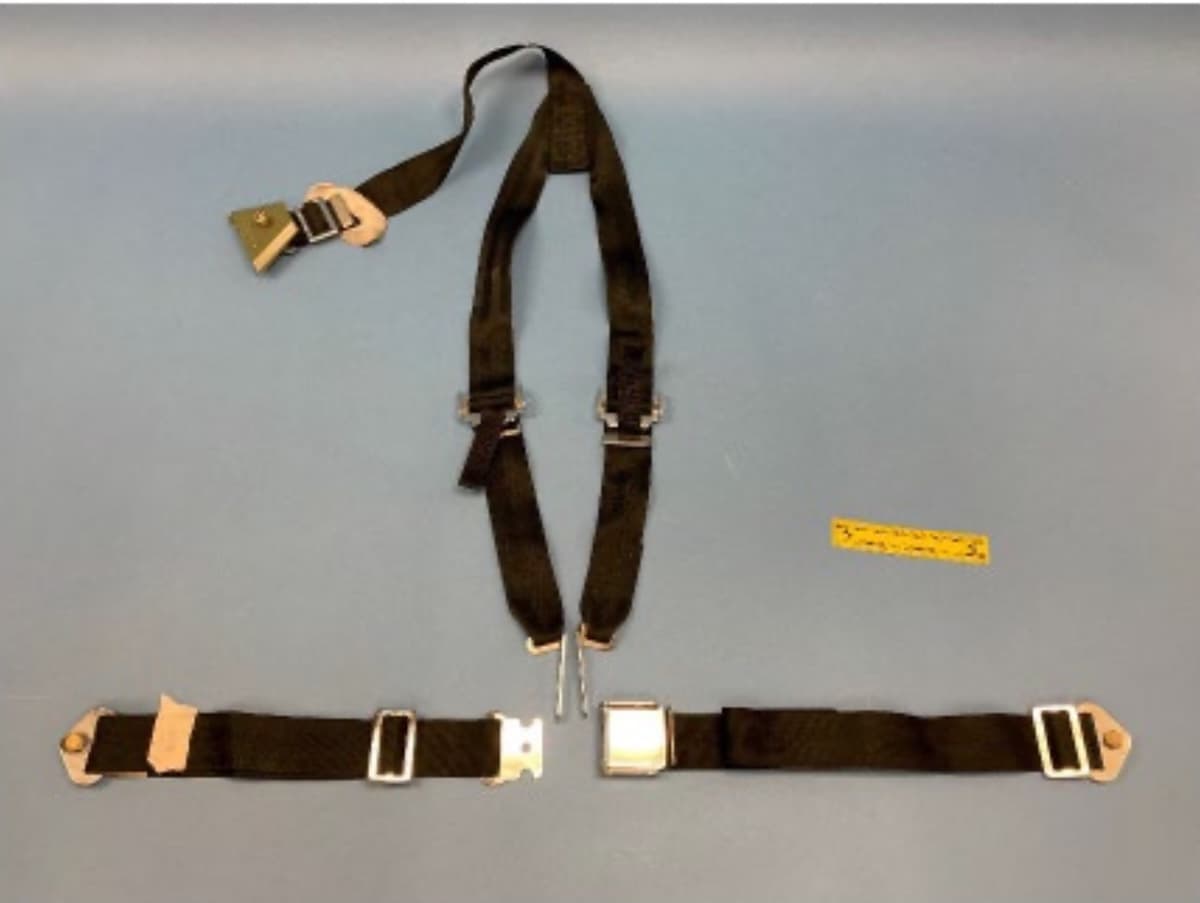
The FAA has issued a Special Airworthiness Information Bulletin following reports of restraint system failures in general aviation accidents, leading to serious injury and death.
Improperly Installed Fuel Line Leads to Fuel Starvation in New LSA
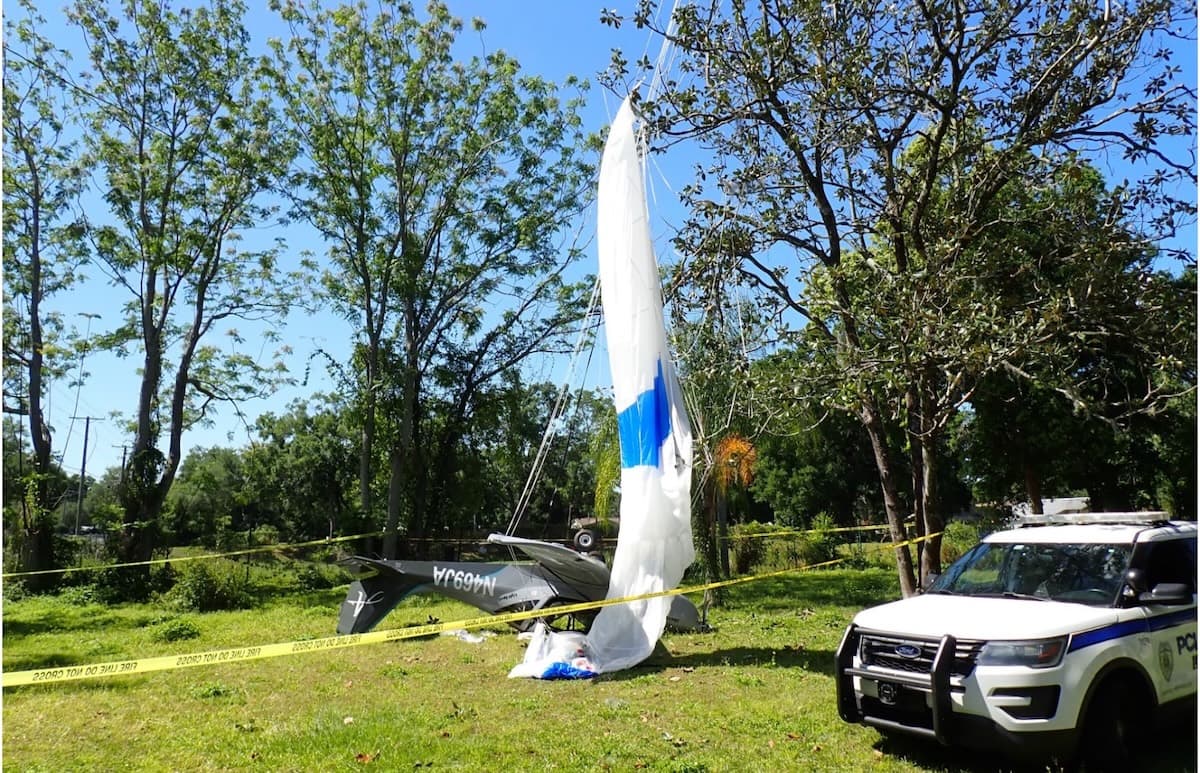
Probable Cause: The improper installation of the fuel line that connected the fuel pump to the four-way distributor, which resulted in fuel starvation when the line became disconnected.
Pilots Needed to Test Enhanced NTSB Accident Database

The National Transportation Safety Board (NTSB) is asking pilots for their help in improving the agency’s enhanced version of CAROL — Case Analysis and Reporting Online — the agency’s public search platform for investigative and safety recommendations data.
Helicopter Ends Up in Pond After Low-Altitude Practice
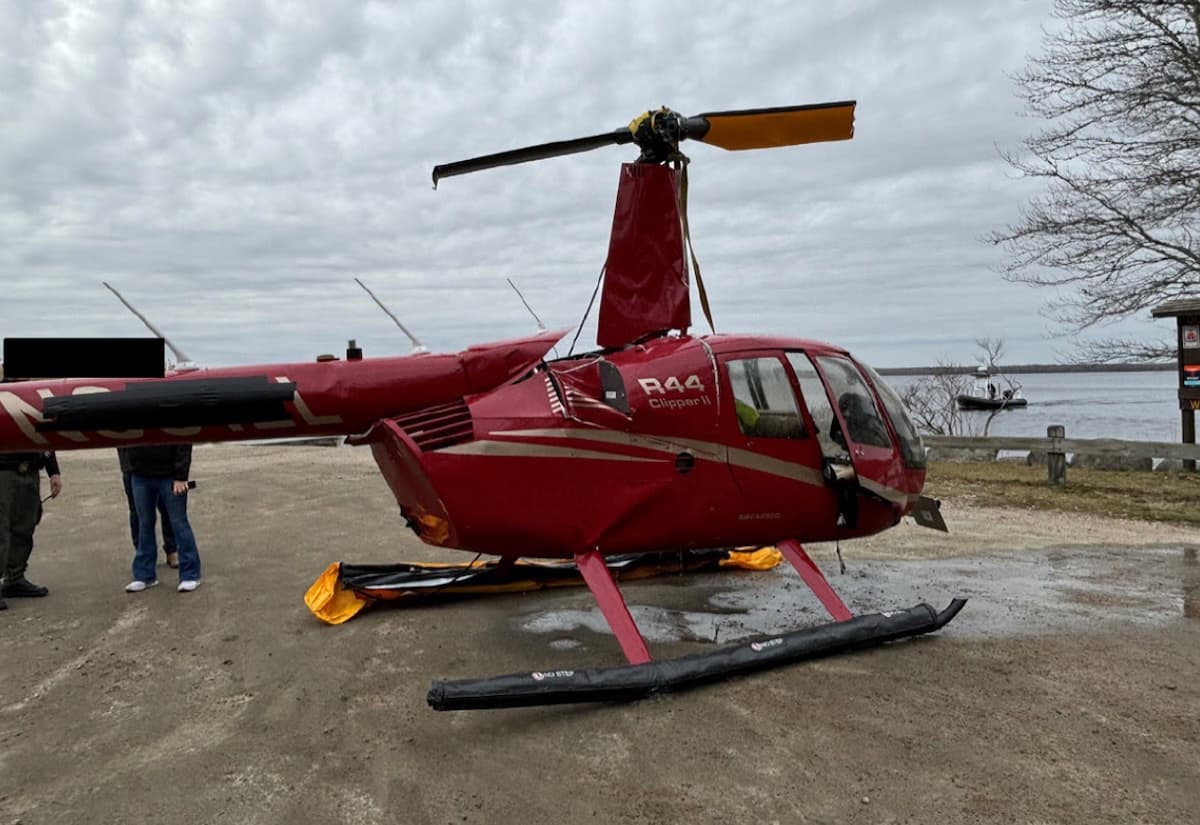
Probable Cause: The pilot’s failure to maintain clearance from the water while maneuvering at low altitude.
Degraded Ignition System Downs Cessna 120
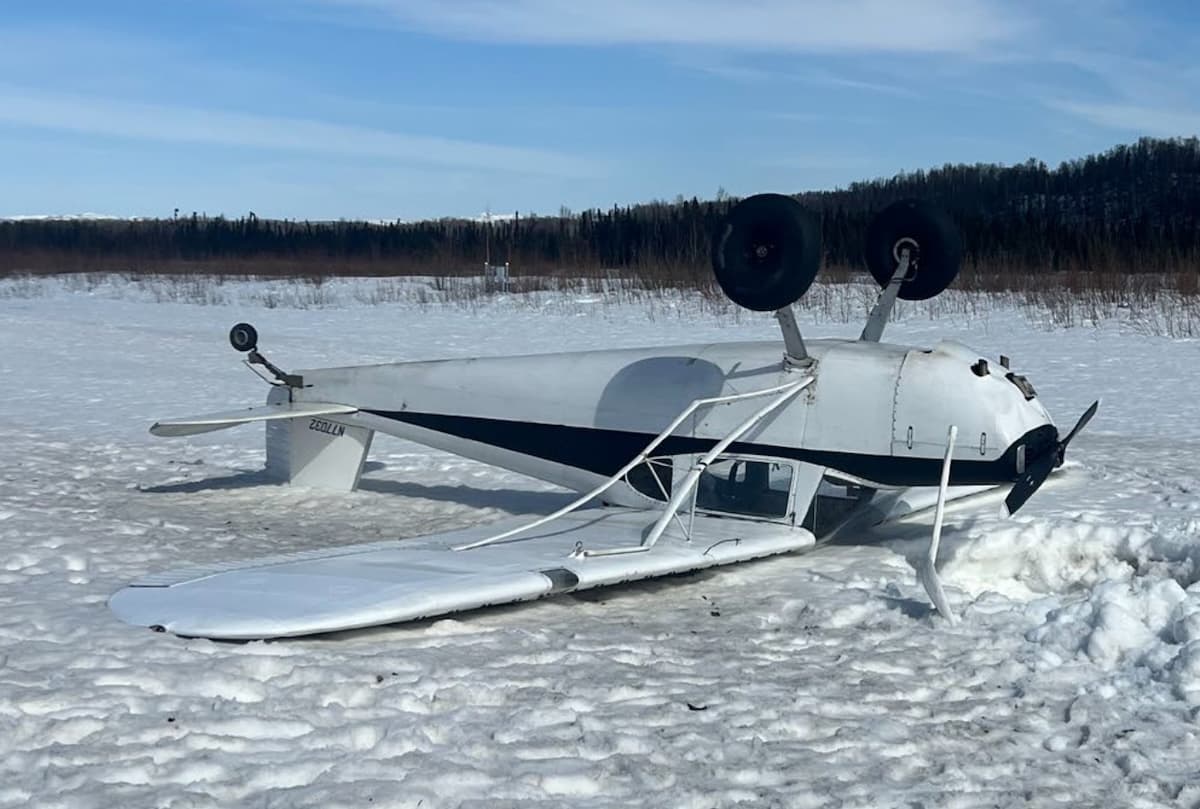
Probable Cause: A degraded ignition system, which resulted in a total loss of engine power. Contributing to the accident was maintenance personnel’s inadequate inspection of the ignition system.
Student Bends 172 During First Solo
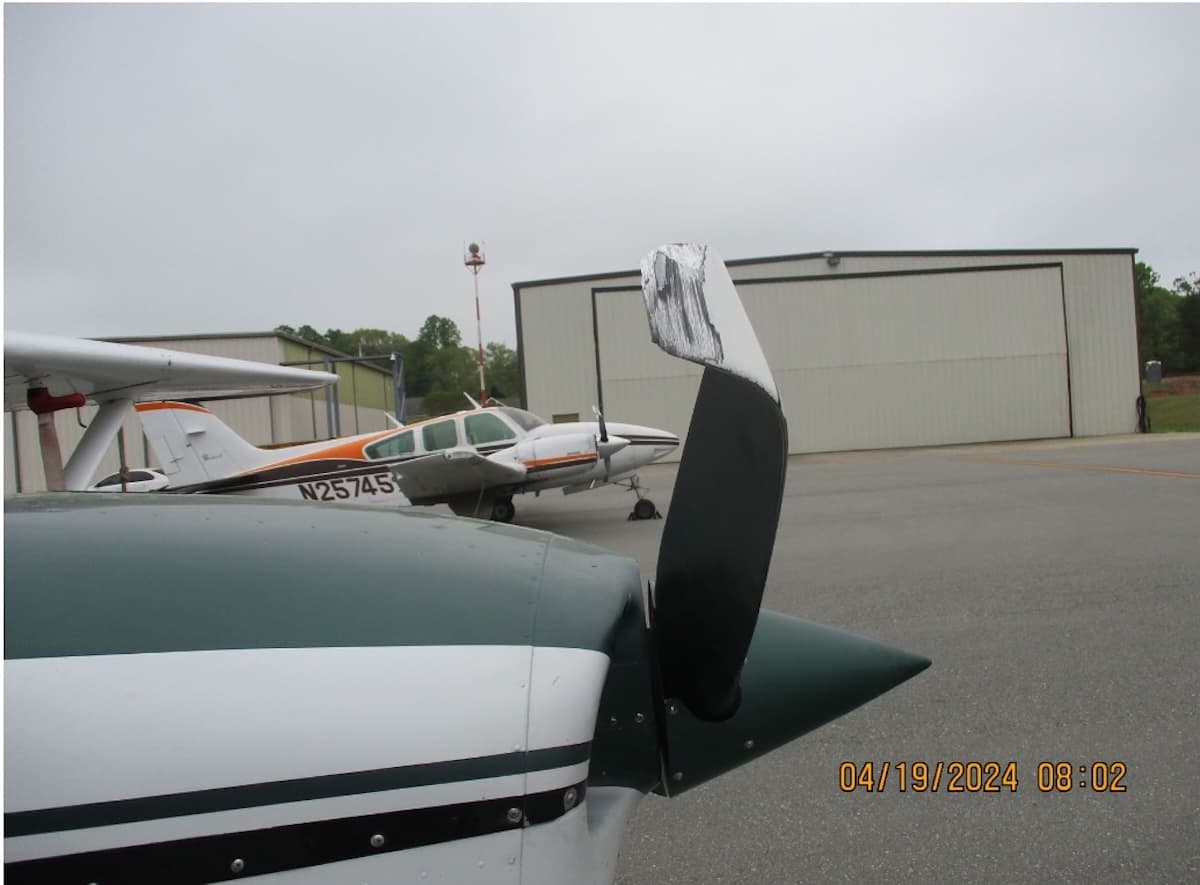
Probable Cause: The student pilot’s improper landing flare, which resulted in a bounced, hard landing.
Improperly Fabricated Part Brings Down Experimental
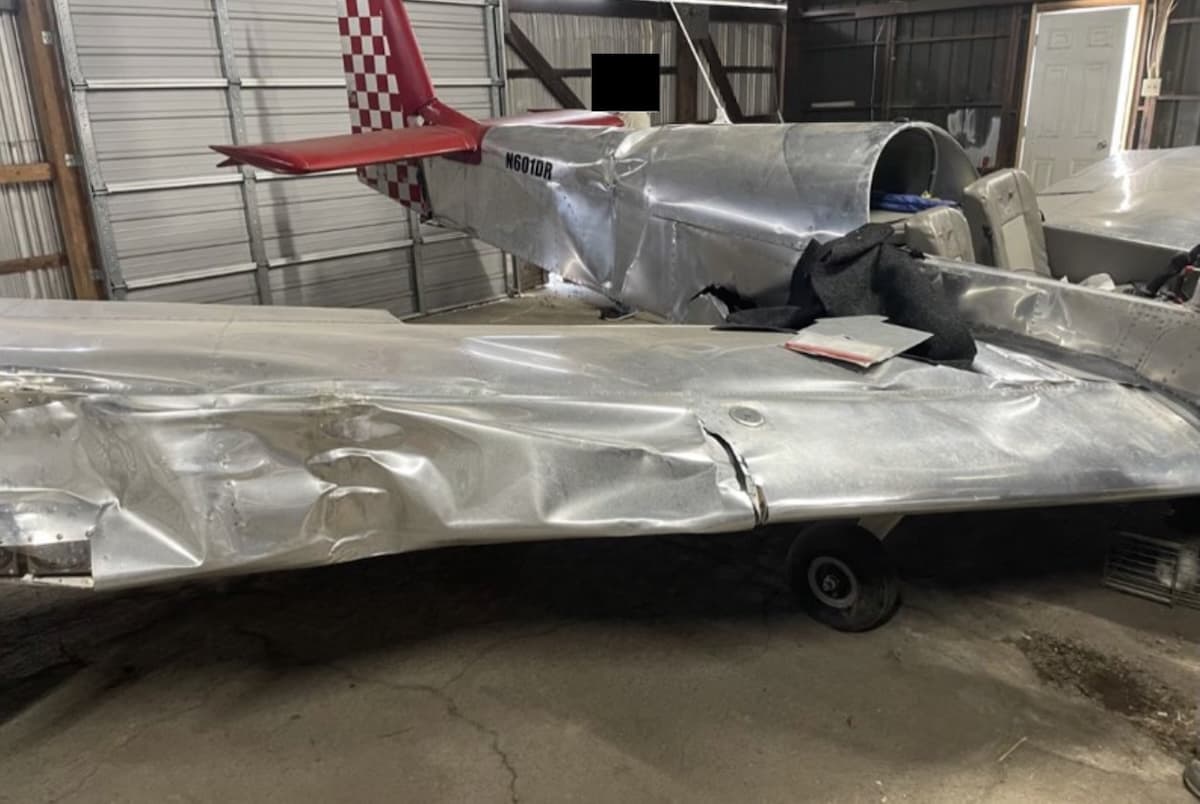
Probable Cause: A total loss of engine power as a result of an improperly fabricated fuel-air mixture cable bracket. Contributing was the pilot’s decision to fly the airplane with a known mechanical engine issue, and the presence of another airplane that was back taxiing on the runway while the pilot was attempting to maneuver the airplane for landing.
Engine Modifications Prove Fatal for Pilot

Probable Cause: The pilot/builder’s modifications of the motorglider’s engine, which resulted in an excessively lean fuel air mixture, preignition, piston failure, and a subsequent total loss of engine power during the initial climb. Contributing to the outcome was the pilot’s failure to maintain airspeed and his exceedance of the motorglider’s critical angle of attack following the loss of engine power, which resulted in an aerodynamic stall/spin at an altitude too low to recover.