

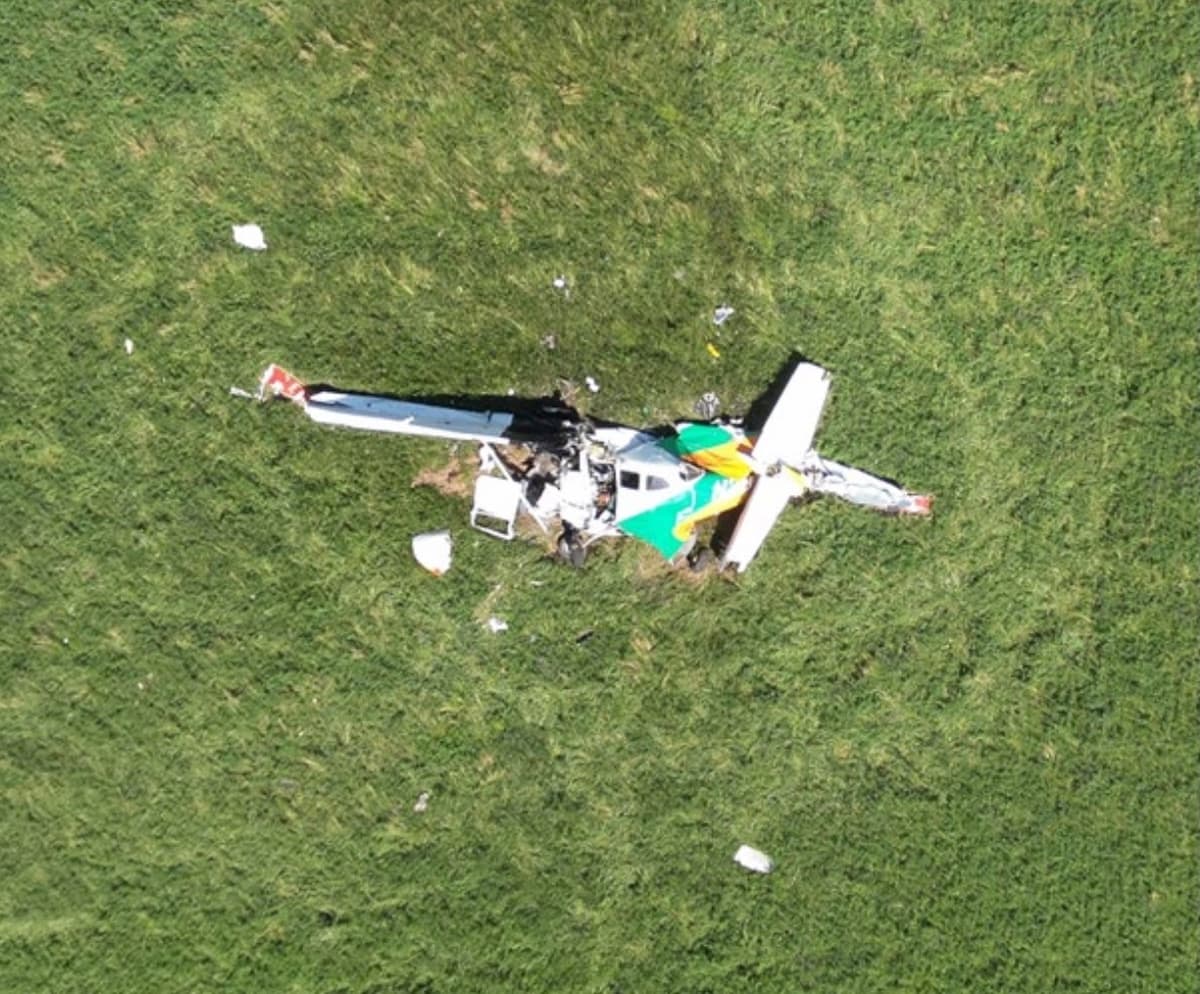
Probable Cause: The jumper’s unintentional deployment of his emergency parachute and subsequent impact with the airplane’s horizontal stabilizer.
Aircraft
Picture of the Day: Sunrays

Matthew Baker submitted this photo and note: “Caught an early morning sunrise over this B58 Baron at Bartow Executive Airport (KBOW) in Florida.”
Where’s Jamail? How a Small Tennessee College Town Became a DreamLaunch Mainstay

While the DreamLaunch Tour usually focuses on major aviation gatherings, a small college town in Tennessee has become a mandatory recurring stop. Explore how Middle Tennessee State University and state-wide education initiatives are creating a premier pipeline for the next generation of pilots, mechanics, and aerospace professionals.
A Once-in-a-Lifetime Opportunity: Nominations Open for 2.5 Millionth Young Eagle

EAA is searching for a special young person to join Young Eagles Chairman Jimmy Graham for a milestone: The 2.5 millionth Young Eagle flight at AirVenture 2026.
Shark 600 Earns First Turbulence-Cancelling Certification
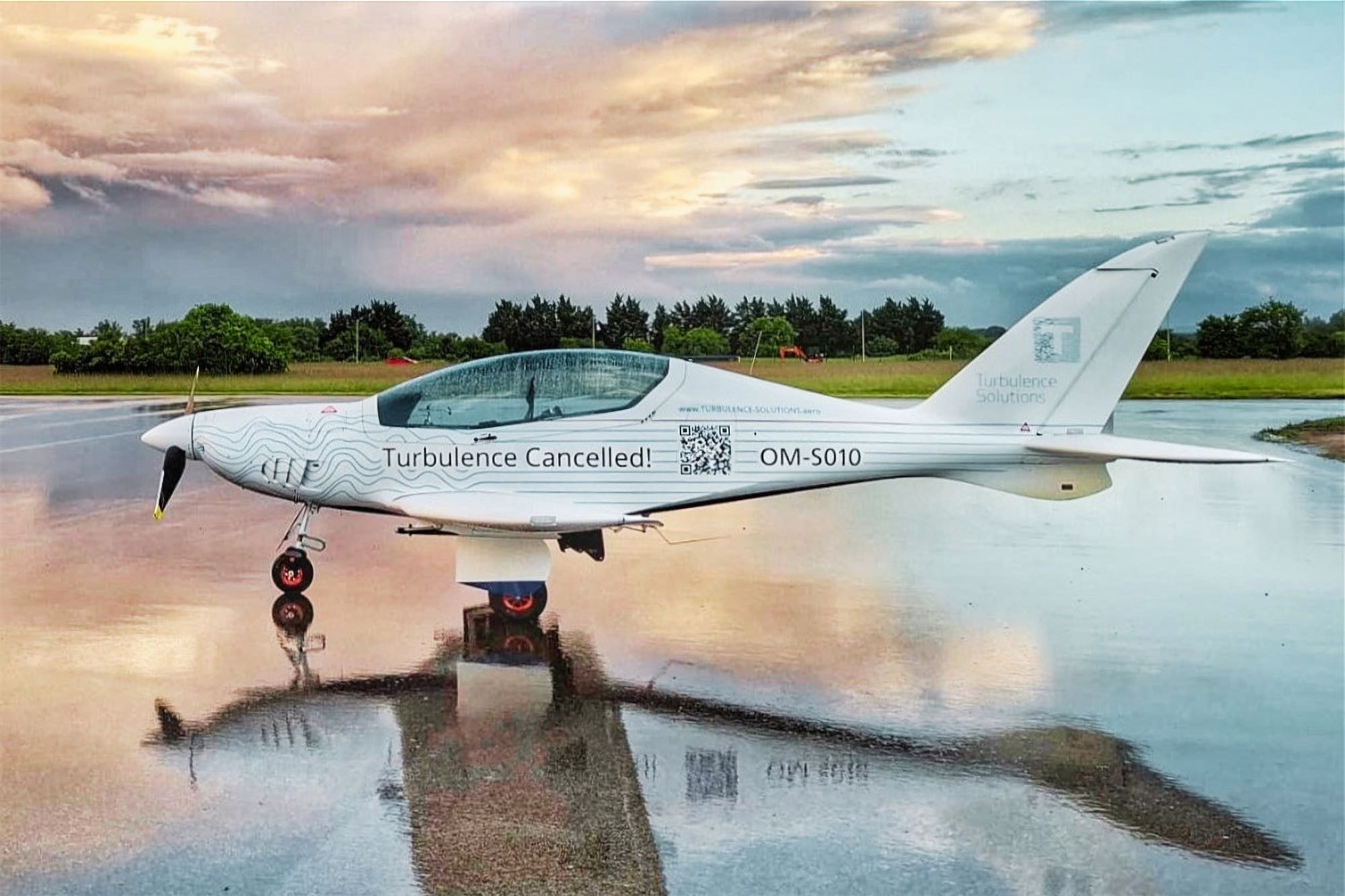
Austrian authorities recently certified a patented system that reduces the impact of turbulence by 80% on Shark 600 aircraft.
Plane Not Flown for 25 Years Makes Forced Landing When Insect Nest Clogs Fuel Vent Line
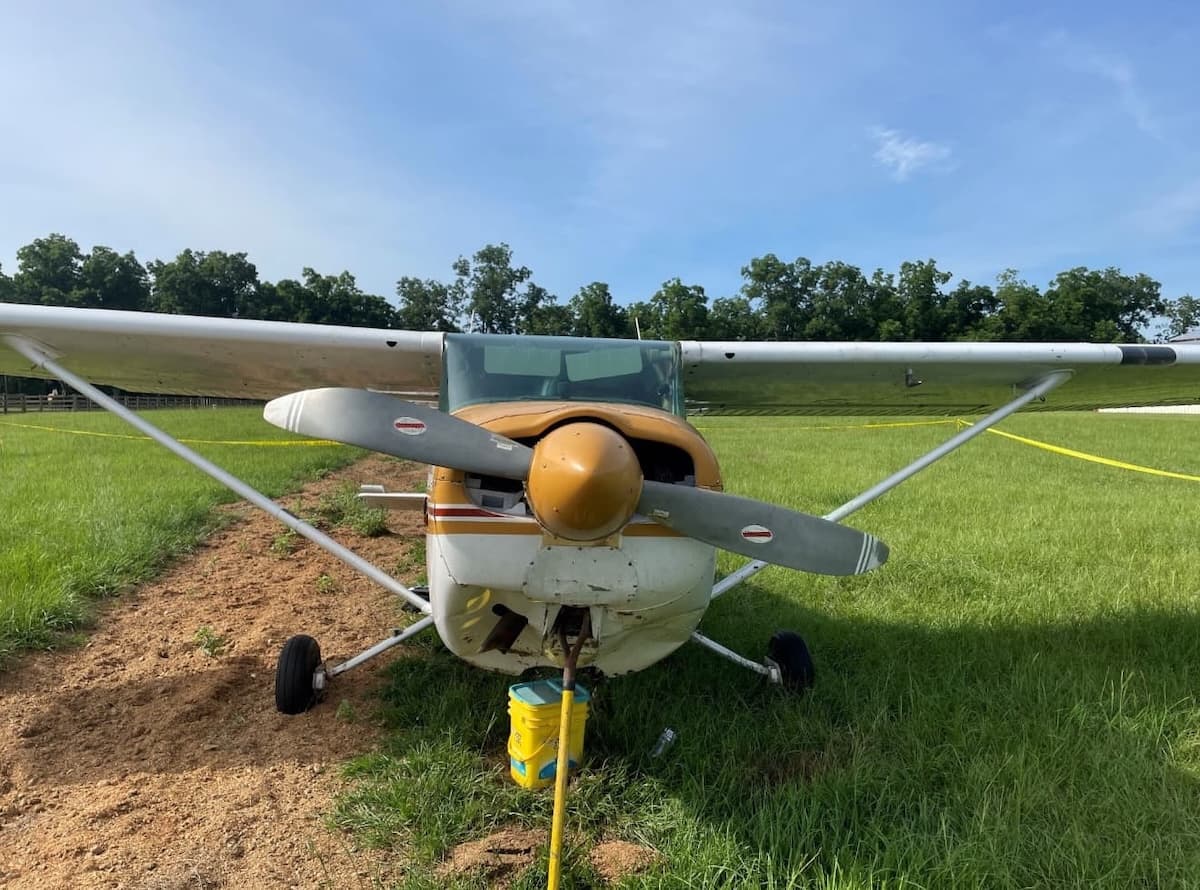
Probable Cause: A total loss of engine power due to fuel starvation as a result of a fuel vent line that was clogged by an insect nest.
Picture of the Day: First Solo
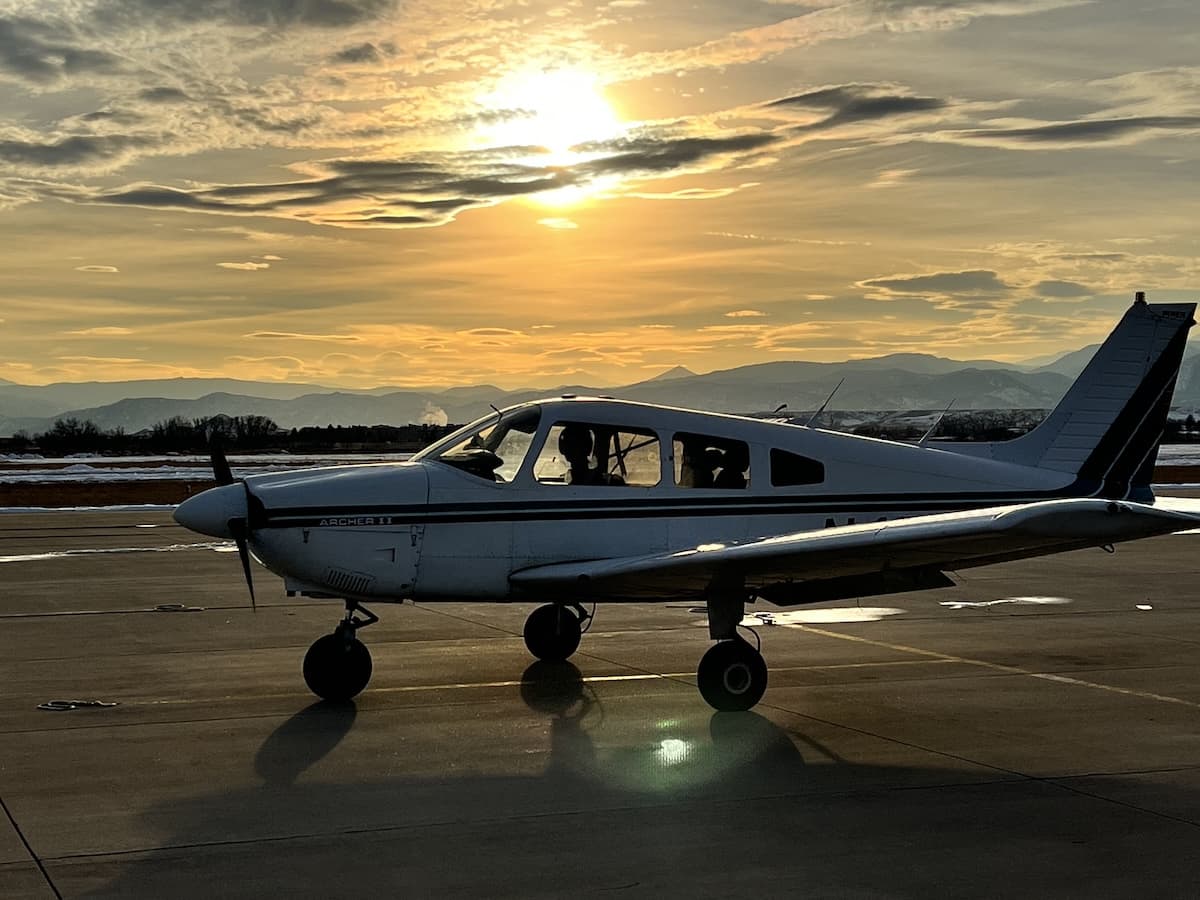
Maclyn Stringer submitted this photo and note: “A student brought their airplane to rest at Vance Brand Airport (KLMO) in Longmont, Colorado, after their first solo, with the Rocky Mountains as the backdrop.”
The Benadryl Danger: New NTSB Data Shows Half of Fatal Crashes Involve Drugs
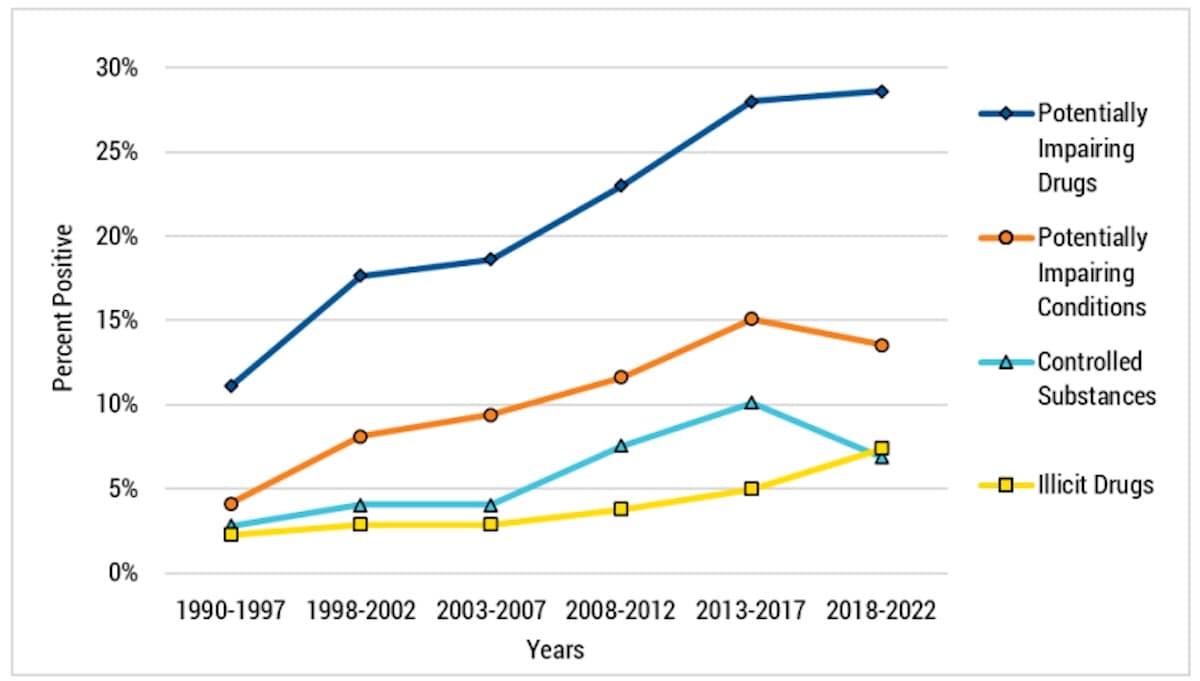
A new report from the NTSB reveals that over 50% of pilots killed in aviation accidents between 2018 and 2022 tested positive for at least one drug, from Benadryl to marijuana.
The Future of Flight: Washington State To Modernize Skies with New WASP Initiative
A recently completed, comprehensive roadmap called the Washington Aviation System Plan (WASP) guides how the state will invests in, protect, and modernize its 134 public-use airports over the coming decade.