

Often I spend the early morning sitting contentedly on my front porch. I enjoy the quiet moments as the world wakes up.
The sun rise causes the low clouds to turn pink, then orange, as they work toward a brilliant white that will last throughout the day. A variety of birds flit through the olive, mango, avocado, and lychee trees. A medium-sized loquat shades me from the sun’s rays as they intensify.
The peacefulness of those moments raises my spirits and causes me to reflect on times gone by and the opportunities to come.
In the distance I hear a sound — a buzz that differs from the tree frogs and crickets being sought by those birds. This sound is definitively man-made. It’s a machine. Not significantly dissimilar from a lawnmower, this vibration catches my attention as it grows in intensity. The sound is moving. The doppler effect comes into play.
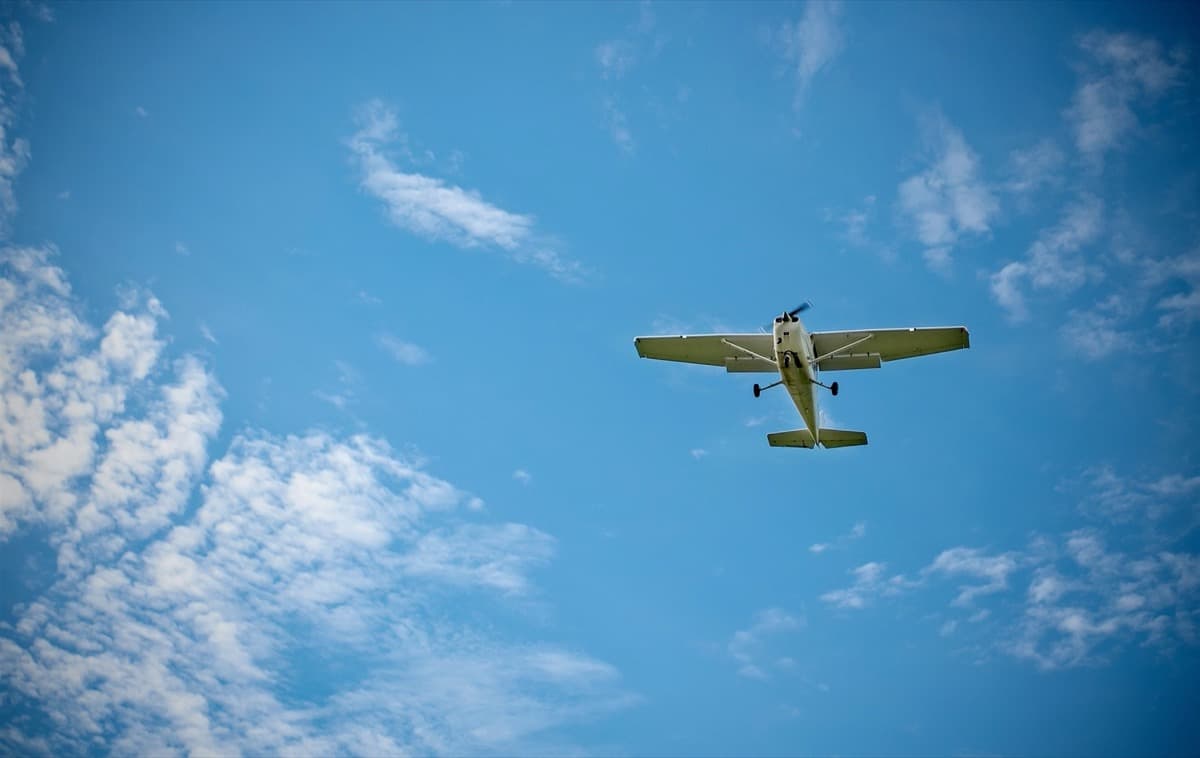
Like you, my eyes shift upward. Away from the plant and animal life near the surface, I seek the source at altitude. Shortly I spot the culprit. An airplane flies overhead.
My fascination with aircraft began young. It was rooted in this exact scenario.
Before I understood much of anything about manned flight, I was attracted to the sound of aircraft passing over my head. I knew nothing of density altitude, stochiometric mixtures, cloud types, or weather patterns. I had little understanding of lift or thrust or drag. But the sound caught my ear. The various aircraft designs fired my interest.
I was hooked.
As humans we tend to think of what we experience as being a true representation of reality. One that transcends time. I see what I see. I hear what I hear. Thus, it must have always been so, as it will always be.
The history of rapid development in the aerospace realm disproves that assumption. What was is not necessarily an indication of what will be.
My first commercial flight came at the age of 4. I distinctly remember changing planes in Atlanta with my older brother by my side. He was weeks away from his sixth birthday. I was reasonably sure we would board the wrong airplane headed to an entirely different destination than we were planning on. I wasn’t scared. I was confident, however, that I had no idea where to go or which gate would lead me to my intended destination.
In my defense, I was 4. I couldn’t read. And this was many years before the airlines came up with the unaccompanied minor program my own children would make use of.
The airplane was long and sleek to my young mind. It was painted blue and white with a silver belly. The four engines were each fitted with a massive four-bladed paddle shaped propeller. I sat in coach, over the wing. Throughout the flight I watched those propellers spin and felt the thunderous beat of round engines rumbling through my little body.
It was a magical experience. More than 60 years later, I still treasure that memory. One few of my peers experienced.
Eastern Whisperjet service replaced those old radial engine driven propellers as the Boeing 727 came online in big numbers.
I lived near the Pratt & Whitney plant in East Hartford, Connecticut, as a kid. Westover Air Force Base wasn’t too far off. The sound of sonic booms was a common occurrence then.
I miss those big booms.
The drone of the radials was replaced by the whine of turbines. A whole new world was opening up to the population as a whole. More and more members of the general public began to fly. They came to think the sound of jet engines was the norm. Because it was.
I still revel in the memory of those barking radials with their propellers beating the air into submission.
My first general aviation flight was in a Piper Cherokee. I sat in the left seat, thoroughly confused, and walked through the start-up checklist with a CFI I’d only met for the first time minutes earlier. We didn’t wear headsets then. The cacophony of the four-cylinder Lycoming made normal conversation impossible. We shouted at each other over the din.
It was a glorious moment. One that has stretched on now for decades. Repeated an untold number of times in various Piper, Cessna, Stinson, and Beech aircraft.
The rumble was real. The volume was amazing. All these years later my ears ring incessantly, at least in part because of my affection for aviation and a willing acceptance of the auditory beating I received throughout each flight.
Eventually, a set of David Clark headsets deadened the sound, saving what was left of my hearing. Later I opted for a noise-reducing set of Lightspeeds, which were replaced by a Bose unit.
My experience was quieter and more enjoyable than ever. From the outside of the airplane the Lycomings and Continentals still annoyed the locals who lived near the airport. They complained. They still do.
Something happened over time that’s changing that. The airplanes powered by Rotax engines I flew were so quiet I could talk to the line service worker fueling my airplane at a normal volume even as the airplane next to me on the ramp fired up and taxied away.
The blast of sound emitted from the old rotary engines was far louder than the radials I first experienced. The jets got louder, then hushed. And they flew higher, mitigating the sound levels on the ground.
Commonly available powerplants for general aviation aircraft got quieter, more fuel efficient, and use unleaded fuel.
Now, Joby has flown a VTOL that is so quiet it can takeoff without causing ramp workers to raise their voices or cover their ears. Boom Supersonic is testing aircraft that can break the sound barrier without shaking windows or causing dogs to bark with anxiety.
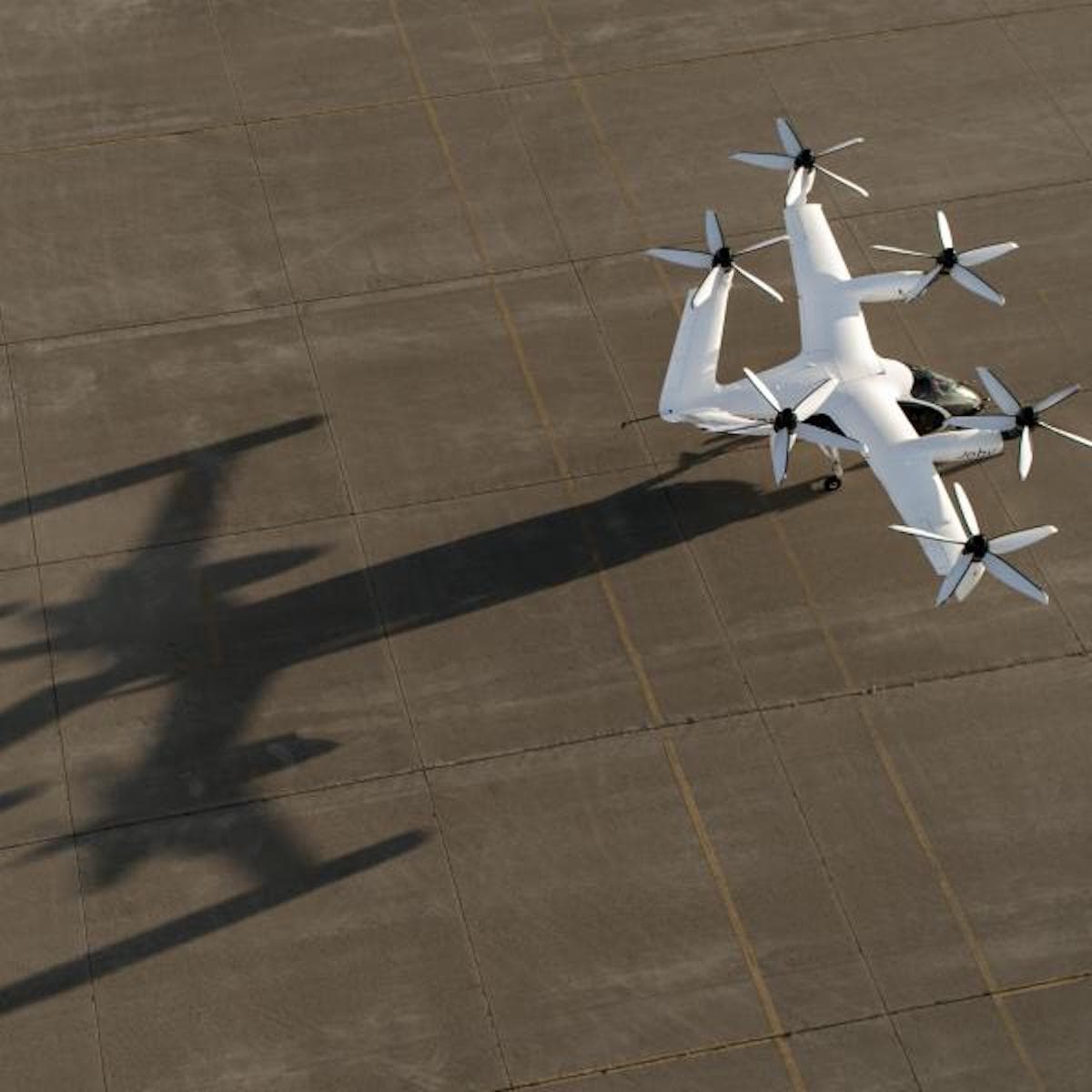
Are we on the cusp of an aeronautical adventure so quiet and efficient the neighbors won’t have anything to complain about anymore? I think that’s at least possible.
But I’m still going to look up. Even if that airplane sound is no more invasive than a bee as it passes by in search of its next flowering plant.

Beautiful essay! At an early age, I too learned the habit of looking up at the sound of an airplane. I’m so thankful for the memories of growing up near enough (15 miles) to Willow Grove Naval Air Station that their flights would regularly fly overhead. I can still picture the easily recognizable shapes of C-119s and later four-ship A-37 Dragonfly formations fully decked out with wing tip and four underwing fuel tanks, making for an unmistakable bottom silhouette when looking up. Thank You.