
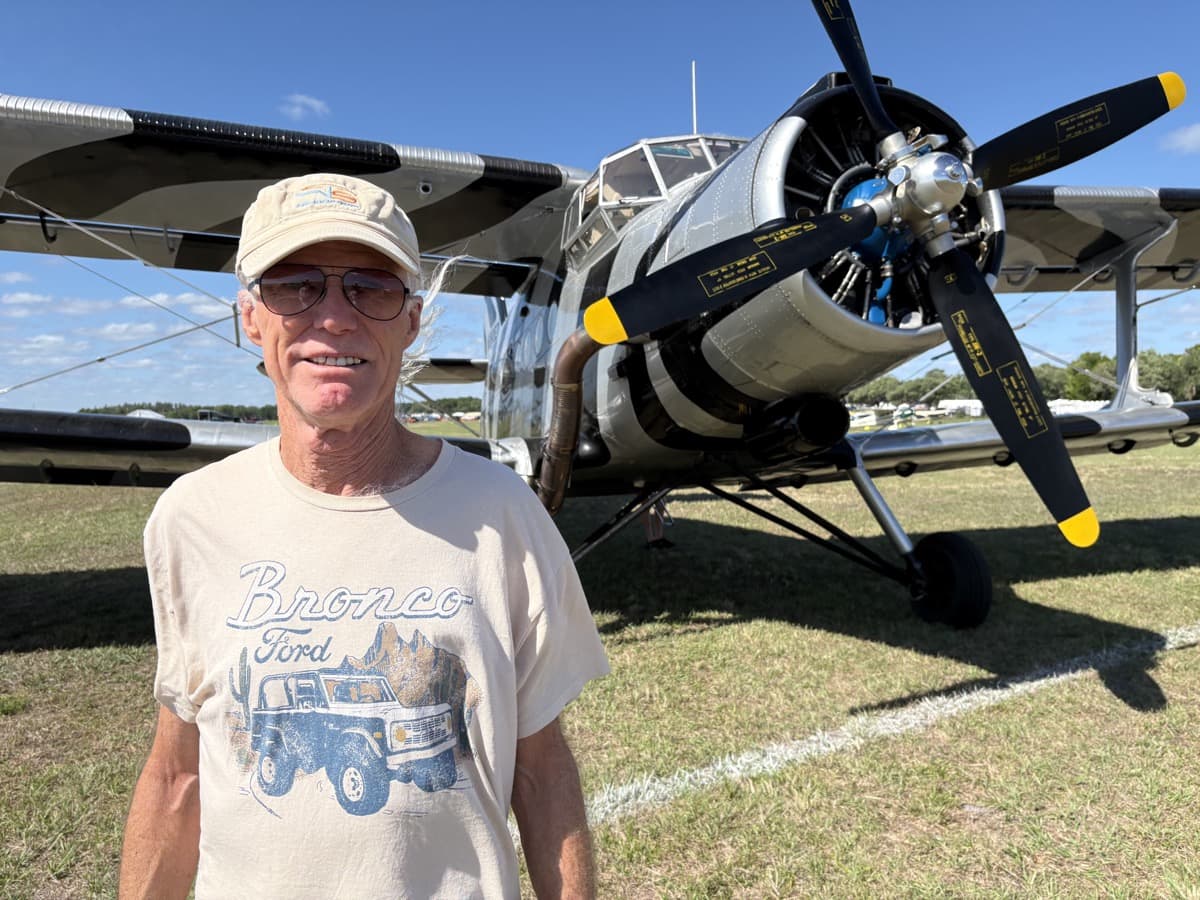
Retired helicopter pilot Douglas Fulton brings his massive, Polish-built Antonov AN-2 to the 2026 SUN ’n FUN Aerospace Expo. Discover the unique history of this “flying apartment” and the adventurous spirit of the man who calls its cabin home.
MOSAIC Simplified
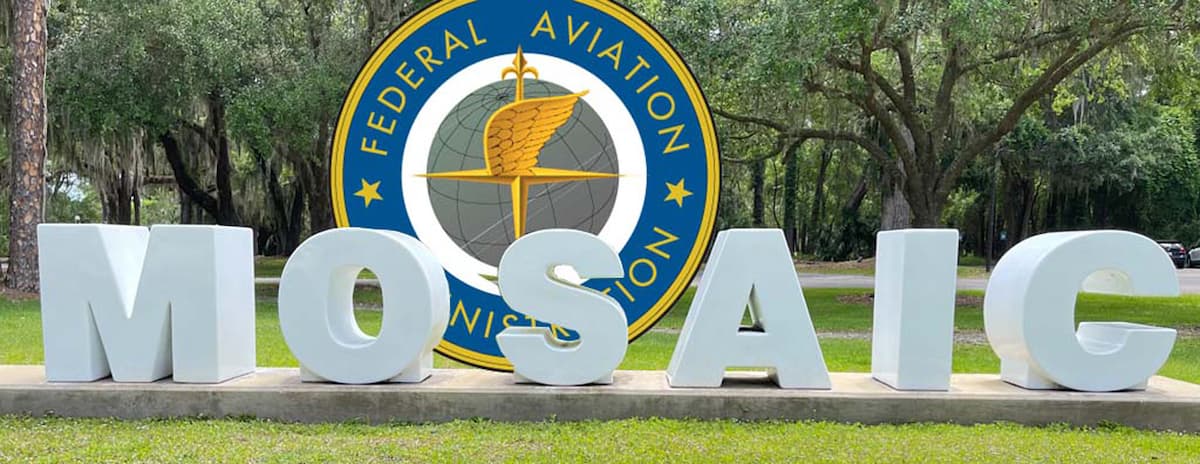
MOSAIC has brought general aviation a remarkable gift: Fewer limitations, enhanced privileges, and a far wider selection of aircraft for pilots to choose from. But many in the GA community don’t understand the new rule and how it applies to them.
A Deal That’s Bananas

Can a flight school realistically turn a zero-time individual with no aeronautical background into a professional pilot in less than six months?
From Orbit to Open Cockpits: The High-Flying Life of Ron Wanttaja
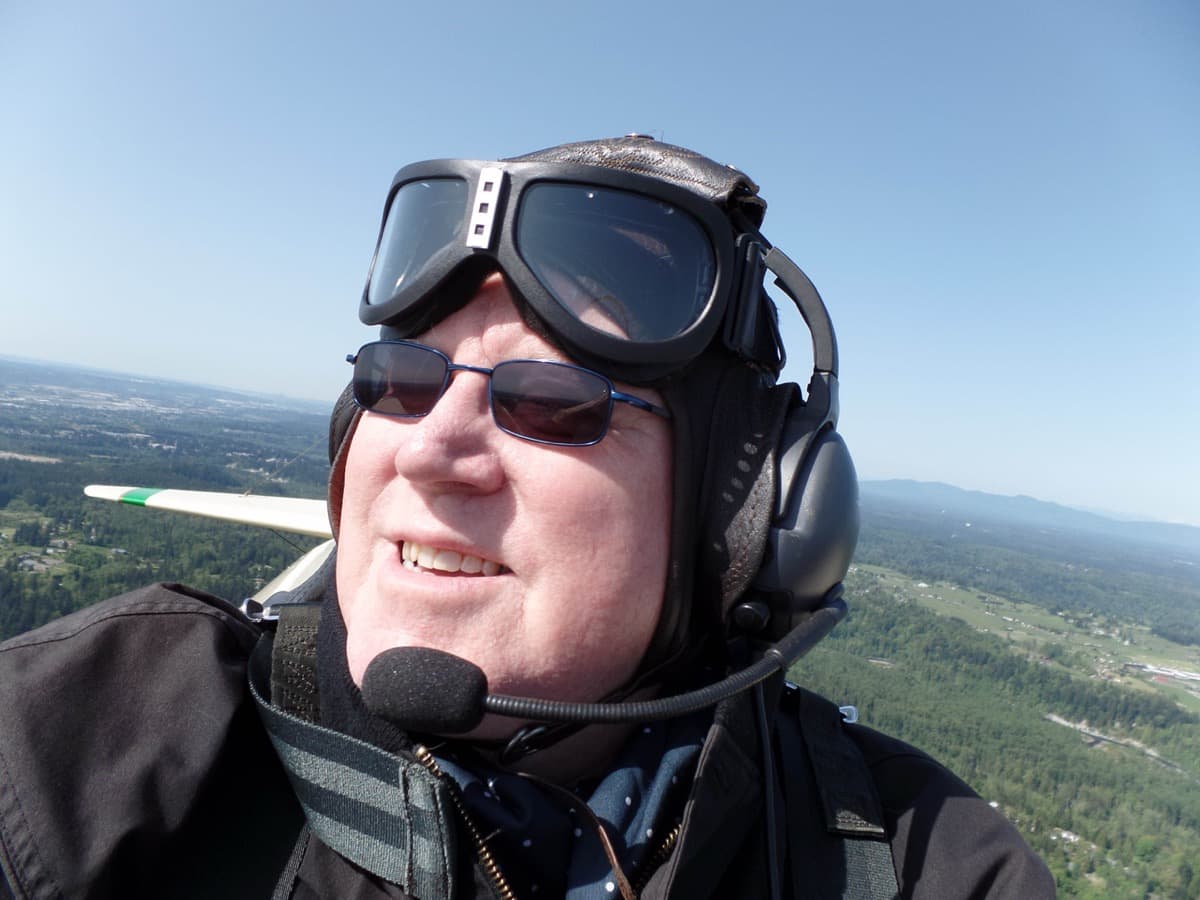
Now retired from his career as a space systems engineer, Ron Wanttaja is writing books and enjoying life with his Fly Baby.
A Dying Trade That’s A Golden Opportunity
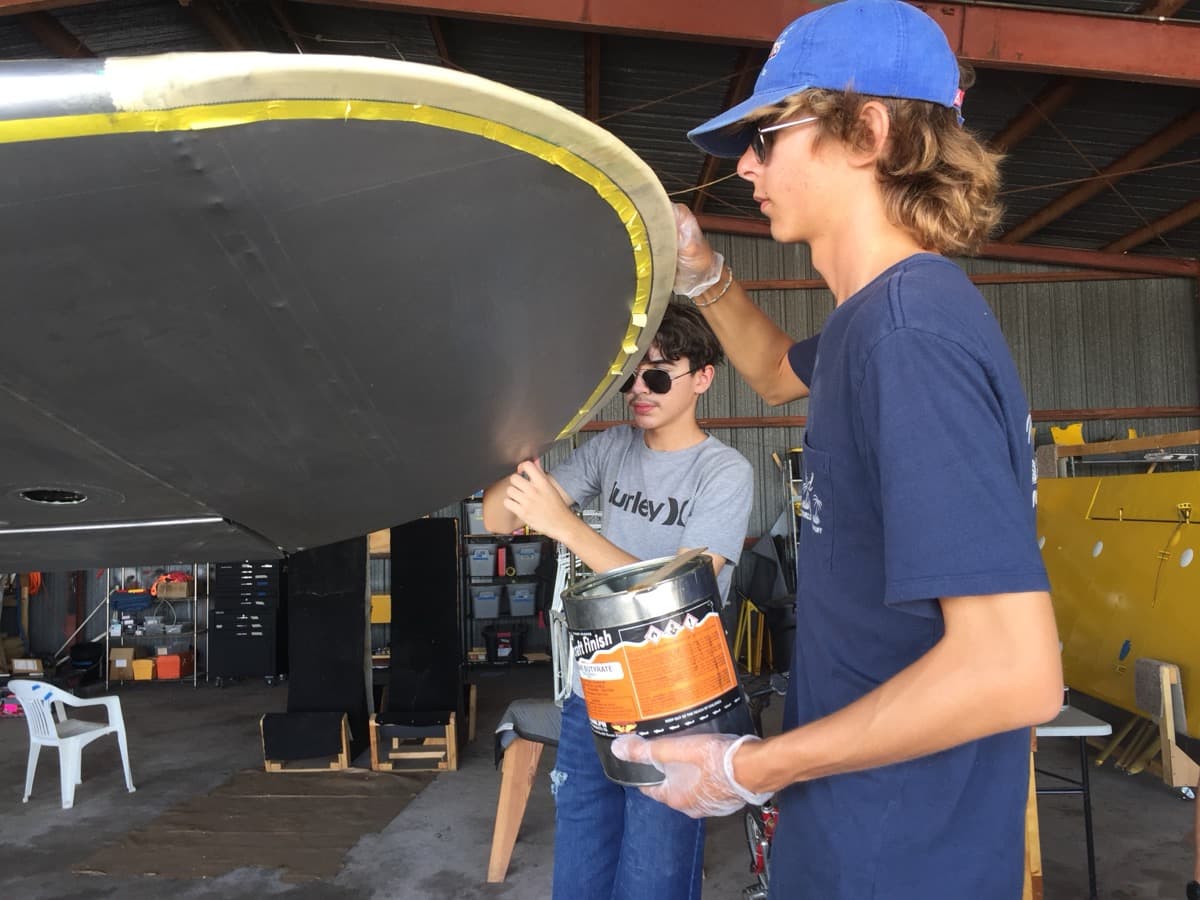
Many believe a fabric-covering shop is an anachronistic symbol of the past. Yet, it is very much a reality of the now and a potentially lucrative business in the future — all based on a skillset few seek out, but thousands upon thousands of aircraft owners desperately need.
The Basics Aren’t Always So Basic

No matter how technologically advanced the world around us might become, the basics still have their place. And like the seaplanes I love so dearly, the Piper J-3 Cub is a simple, honest, straight-forward flying machine. It is timeless.
Looking for Loopholes? Your Engine Doesn’t Care About the Regs
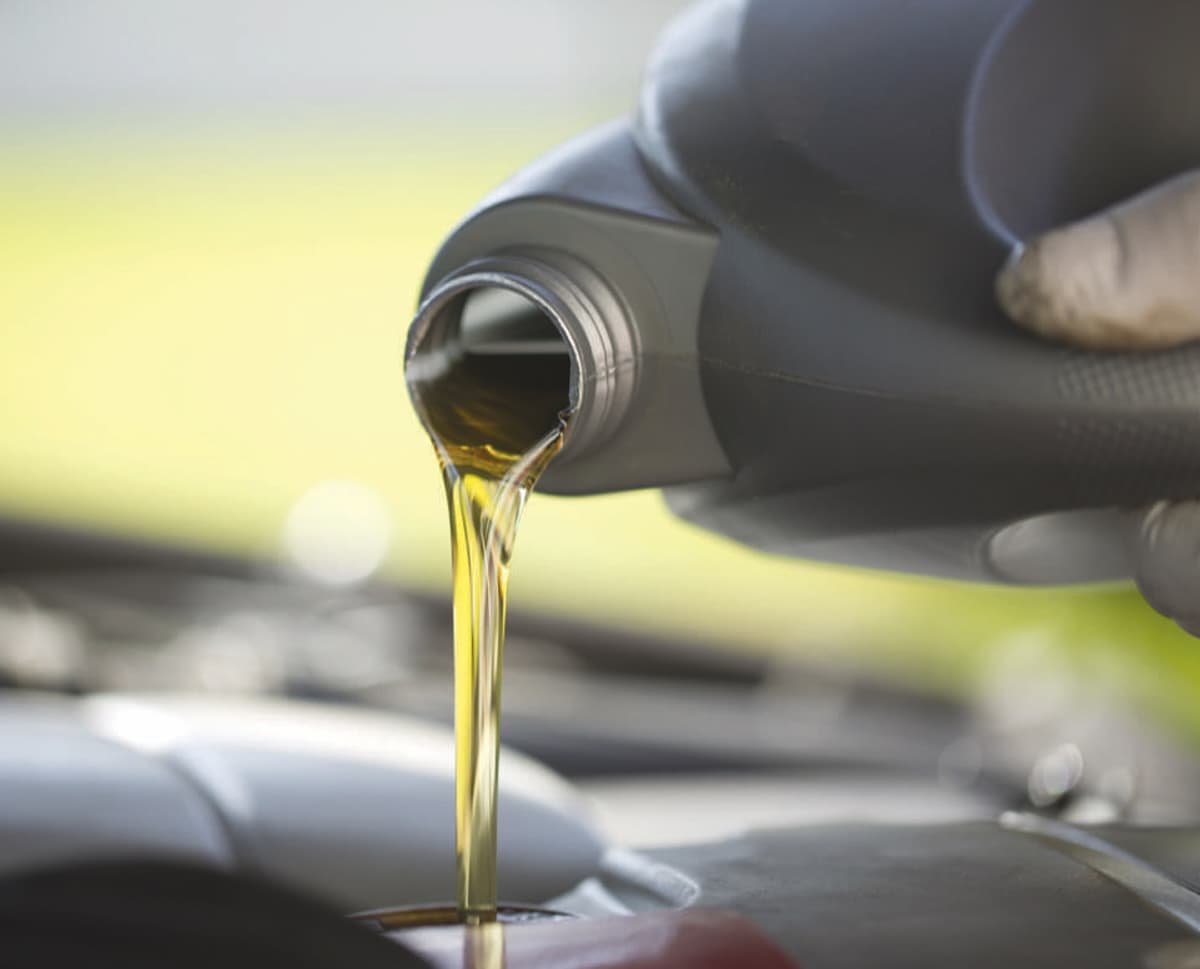
Too often we might be inclined to find the exact term that’s missing. Some of us might interpret that to mean there is no rule that requires us to do the smart thing, the logical thing, the thing any sentient being with the will to survive knows is necessary. But we found a loophole: We don’t have to because the rule doesn’t say so. This is what is known in scientific and technological circles as dumb.
Social Media’s Gift to Aviation
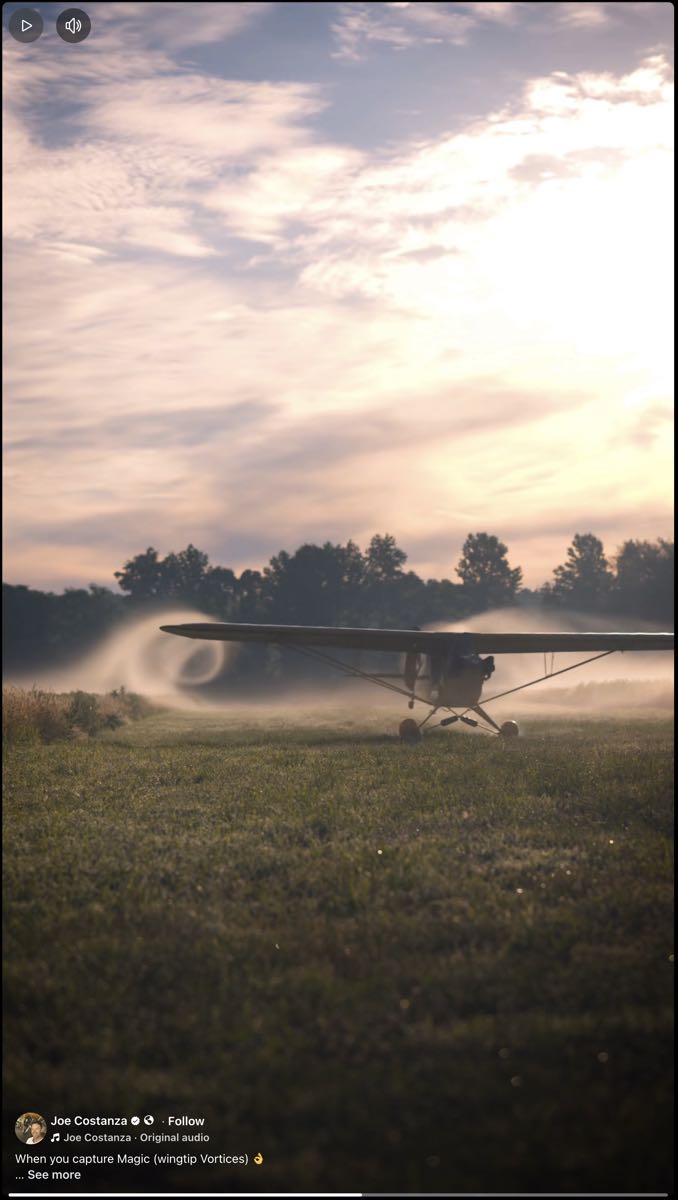
Social media posts and YouTube videos that capture the art and science of aviation are beneficial for pilots, but also intriguing to non-pilots. And the more people who see aviation in a positive light, the better.
Be Prepared For The Bad Thing

Being prepared to handle the bad thing requires forethought. The only way I know how to do it is to sit down in a quiet place, let the imagination wander, and consider every negative possibility that comes to mind. This isn’t dark work. It’s liberating. The scenarios unfold to provide confidence.